Choosing the right injection mold manufacturer is a critical step before starting a plastic injection molding project. A high-quality mold directly affects part performance, production efficiency, maintenance costs, and long-term manufacturing stability.
However, not every mold supplier has the same engineering capability, manufacturing equipment, or quality standards. Selecting the wrong supplier may result in poor mold quality, delayed delivery, unexpected modifications, and higher production costs.
Before placing an order, companies should carefully evaluate an injection mold manufacturer to ensure the supplier has the technical ability and experience required for their project.
This guide explains the key factors you should check, including mold design capability, manufacturing equipment, quality control, project experience, and communication support.If you are looking for a reliable partner for custom injection mold manufacturing, you can learn more about our tooling capabilities here:
www.fentormold.com
Why Is It Important to Evaluate an Injection Mold Manufacturer?
An injection mold is a long-term manufacturing investment. Unlike standard products, a mold will be used repeatedly to produce thousands or even millions of plastic parts.
Therefore, choosing the right manufacturer is not only about the initial mold price. A reliable injection mold supplier should help you achieve:
- Stable part quality
- Consistent production performance
- Shorter development time
- Lower maintenance costs
- Reduced manufacturing risks
A supplier with limited experience may create problems after production starts, such as:
- Part dimensional issues
- Poor surface finish
- Mold wear problems
- Long modification cycles
- Unexpected repair costs
A professional injection mold manufacturer should provide engineering support from design review to final production, rather than simply manufacturing a mold according to drawings.
1. Check the Manufacturer’s Mold Design Capability
The first step to evaluate an injection mold manufacturer is reviewing its engineering capability.
A good mold design can prevent many production problems before manufacturing begins. Experienced engineers should analyze the product design and provide suggestions based on injection molding requirements.
Important design capabilities include:
DFM Analysis
Design for Manufacturing (DFM) analysis helps identify potential problems before mold construction.
Engineers should review:
- Wall thickness
- Draft angles
- Parting lines
- Gate locations
- Ejection methods
- Cooling requirements
Early design optimization can reduce tooling modifications and improve final part quality.
Mold Flow Analysis
For complex parts, mold flow analysis helps predict:
- Filling problems
- Weld lines
- Air traps
- Warpage risks
- Pressure distribution
A manufacturer with strong simulation capability can reduce trial-and-error during mold testing.
Mold Structure Design Experience
A capable supplier should understand different mold structures, including:
- Multi-cavity molds
- Family molds
- Insert molds
- Two-shot molds
- Overmolding tools
This experience is especially important for automotive, electronics, and industrial applications.
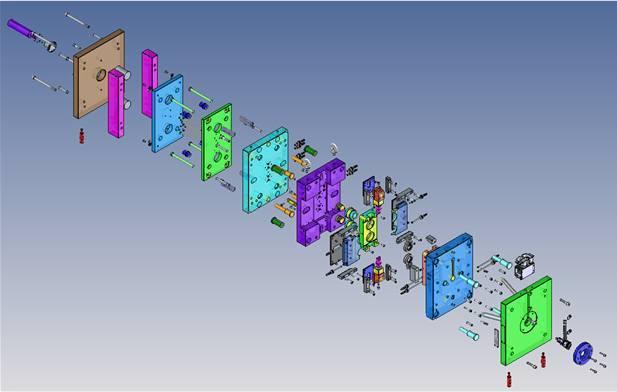
A professional mold supplier should also have experience in precision mold components and tooling solutions to support complex projects.
More information about our mold component manufacturing capability:
A professional mold supplier should also have experience in precision mold components and tooling solutions to support complex projects.
More information about our mold component manufacturing capability:
www.fentormold.com/components-manufacturing/
2. Review the Manufacturer’s Mold Manufacturing Equipment
After confirming the supplier’s engineering capability, the next step is evaluating its manufacturing capacity.
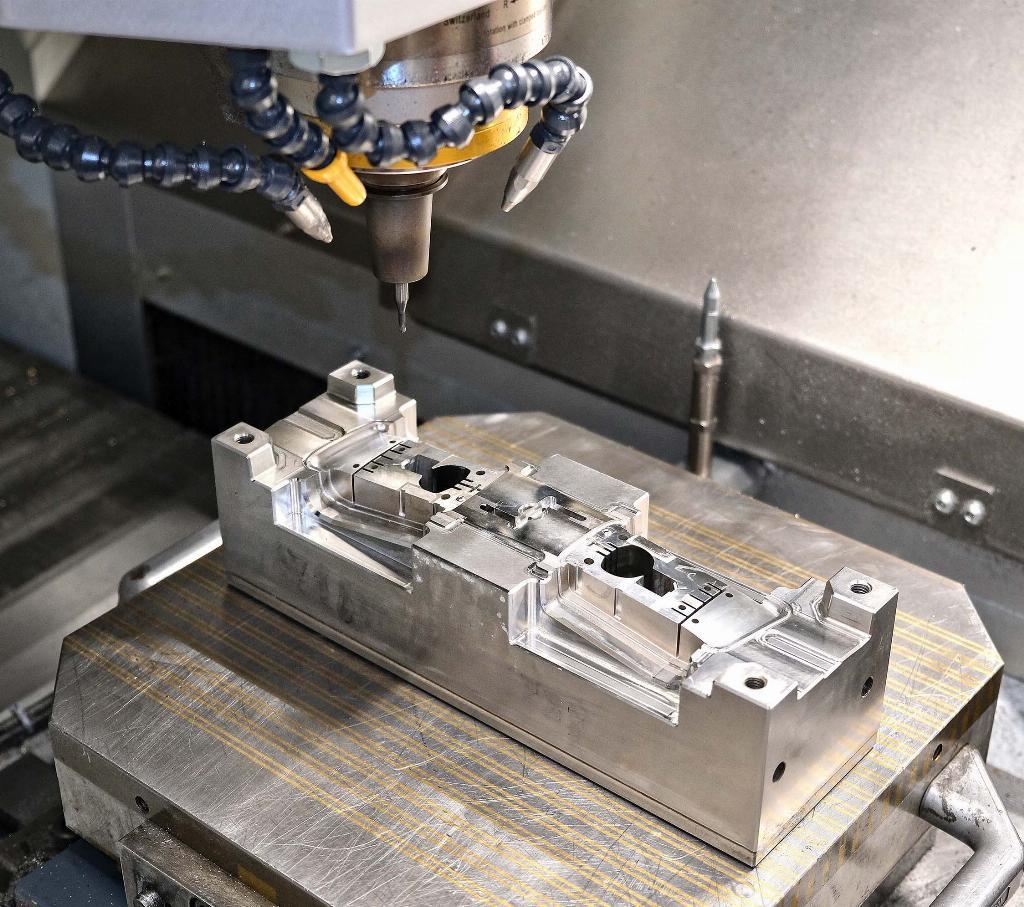
A reliable injection mold manufacturer should have advanced equipment and skilled technicians to produce precision mold components. The quality of machining directly affects mold accuracy, part consistency, and production reliability.
Important manufacturing equipment includes:
CNC Machining Centers
CNC machining is one of the most important processes in injection mold manufacturing. It is commonly used to produce:
- Mold cavities
- Mold cores
- Mold plates
- Precision inserts
- Mold components
High-quality CNC machining helps achieve tight tolerances and better surface finishes, which are essential for stable injection molding production.
EDM Machines
Electrical Discharge Machining (EDM) is necessary for creating complex features that cannot be easily produced by traditional machining methods.
EDM is commonly used for:
- Deep ribs
- Sharp corners
- Small features
- Complex cavity details
A manufacturer with strong EDM capability can handle more complicated mold designs and improve overall mold performance.
Precision Inspection Equipment
Machining capability alone is not enough. A professional mold supplier should also have inspection equipment to verify accuracy.
Common inspection equipment includes:
- Coordinate Measuring Machines (CMM)
- Height gauges
- Optical measuring systems
- Surface measurement tools
When evaluating an injection mold manufacturer, you should ask:
- What equipment is available in-house?
- Which processes are outsourced?
- How do you control machining accuracy?
- What tolerances can you achieve?
A supplier with complete manufacturing capability usually has better control over quality, lead time, and project communication.
3. Evaluate the Manufacturer’s Quality Control Process
Quality control is another critical factor when choosing an injection mold supplier.
A mold may look acceptable visually, but small dimensional errors can create serious problems during production. Therefore, a reliable manufacturer should have a systematic quality control process from material inspection to final mold testing.
A professional injection mold manufacturer should control quality in several stages.
Steel Material Inspection
The mold steel quality directly affects mold life and production stability.
The supplier should verify:
- Steel grade
- Material certificate
- Hardness requirements
- Heat treatment results
Using unsuitable steel may cause premature wear, deformation, or unexpected maintenance problems.
Machining Accuracy Inspection
During manufacturing, key mold components should be measured carefully to ensure they meet design requirements.
Important inspection points include:
- Cavity dimensions
- Core dimensions
- Parting surface accuracy
- Insert fitting
- Ejector system alignment
For precision molds, even small deviations can affect part dimensions and assembly performance.
Mold Trial and Sample Verification
Before delivery, mold trials are essential to confirm actual performance.
During mold testing, manufacturers should check:
- Part appearance
- Dimensions
- Filling performance
- Ejection performance
- Cycle time
A good supplier should provide trial samples and communicate any required improvements before mass production.
4. Check Previous Mold Projects and Industry Experience
Experience is one of the best ways to evaluate an injection mold manufacturer.
A supplier that has completed similar projects will better understand potential risks and provide more practical solutions.
Before ordering, ask the manufacturer about:
- Previous projects
- Industries served
- Similar mold types
- Production challenges solved
For example, automotive and electronic products often require higher precision and more complex mold structures. A manufacturer with experience in these industries usually has stronger engineering and quality management capabilities.
You should also review:
- Customer cases
- Mold photos
- Sample parts
- Project history
However, the number of years in business is not the only factor. A newer supplier with advanced equipment and strong engineering capability may also provide excellent results.
The most important point is whether the manufacturer has experience handling projects similar to yours.
5. Evaluate the Manufacturer’s Communication and Project Management Ability
Besides technical capability and manufacturing equipment, communication ability is another important factor when choosing an injection mold manufacturer.
A mold project usually involves multiple stages, including product review, mold design, machining, mold testing, modification, and final delivery. Therefore, effective communication is essential to keep the project moving smoothly.
A reliable supplier should provide:
- Clear project schedules
- Regular production updates
- Fast responses to technical questions
- Professional design feedback
- Solutions when problems occur
For overseas customers, communication is especially important because most projects require cooperation across different countries and time zones.
A professional mold manufacturer should not only follow customer requirements but also actively identify potential risks. For example, if a product design may create molding problems, experienced engineers should explain the issue and recommend improvements before mold production begins.
Good project management can help customers achieve:
- Fewer design misunderstandings
- Faster problem solving
- Better control of delivery time
- More stable mold development
Before placing an order, customers should evaluate whether the supplier has a clear communication process and a dedicated team to support the project from design review to final approval.
6. Compare Injection Mold Cost Based on Value, Not Only Price
Cost is an important consideration when selecting an injection mold manufacturer. However, the lowest quotation does not always represent the best choice.
A cheaper mold may reduce the initial investment, but it can create higher costs later due to:
- Lower-quality mold materials
- Poor machining accuracy
- Shorter mold lifespan
- Frequent maintenance
- Additional modification expenses
Therefore, companies should compare the overall value provided by a supplier instead of focusing only on the initial mold price.
A professional quotation should clearly explain:
- Mold material selection
- Manufacturing process
- Production timeline
- Testing requirements
- Included services
Consider Mold Material Selection
The choice of mold material has a direct impact on tooling performance and service life.
Different applications require different materials. For example:
- Prototype molds may use aluminum or softer steels
- Medium-volume production molds may use pre-hardened steels
- High-volume production molds often require hardened tool steels
Selecting the correct material helps improve wear resistance, reduce maintenance frequency, and maintain stable production quality.
Learn more about different injection mold material options:
www.fentormold.com/steel-injection-molds/
Review the Complete Manufacturing Process
A professional injection mold manufacturer should provide a complete manufacturing solution instead of only machining mold parts.
The tooling process usually includes:
- Mold design
- Material preparation
- CNC machining
- EDM processing
- Mold assembly
- Mold testing
- Sample verification
A transparent manufacturing process allows customers to better understand the project schedule and avoid unexpected costs.
For precision mold components and manufacturing capability:
www.fentormold.com/components-manufacturing/
7. Check the Manufacturer’s Mold Testing and Validation Process
Before an injection mold is shipped, proper testing is necessary to confirm that the mold can produce qualified parts.
A reliable injection mold manufacturer should have a complete mold trial and validation process, including:
- First mold trial
- Sample inspection
- Dimensional measurement
- Process adjustment
- Final approval
During mold testing, engineers should check:
- Part appearance
- Filling performance
- Ejection stability
- Cycle time
- Dimensional accuracy
If problems appear during trials, the supplier should analyze the root cause and make improvements before delivery.
For example, issues such as short shots, sink marks, warpage, or gate defects should be identified and corrected before the mold reaches mass production.
More information about solving common injection molding defects:
www.fentormold.com/how-to-fix-injection-mold-gate-marks-problem/
8. Check Customer Reviews, Case Studies, and Previous Projects
Another effective way to evaluate an injection mold manufacturer is reviewing their previous projects and customer experience.
A supplier’s past work can show whether they have the ability to handle similar mold requirements, production challenges, and industry standards.
Before placing an order, customers should review:
- Previous mold projects
- Product applications
- Mold complexity
- Customer industries
- Sample parts
- Project results
For example, automotive, electronics, and industrial products often require higher precision, better surface finishes, and longer mold life. A manufacturer with experience in these industries usually has stronger technical knowledge and quality control capability.
However, the number of years in business should not be the only evaluation factor. A company with modern equipment, experienced engineers, and a strong manufacturing process can also provide reliable results.
The most important question is whether the manufacturer has successfully completed projects similar to yours.
When reviewing a supplier’s portfolio, pay attention to:
Similar Mold Experience
A manufacturer that has produced similar molds will better understand potential problems before production starts.
For example:
- Thin-wall parts may require special filling solutions
- Complex structures may require sliders or lifters
- High-volume products may require hardened mold steel
- Appearance parts may require better surface treatment
This experience helps reduce development risks and improves the chance of successful mold testing.
9. Evaluate After-Sales Support and Long-Term Cooperation
A reliable injection mold manufacturer should continue supporting customers after mold delivery.
Although a mold may pass testing before shipment, some issues can still appear during actual production. Therefore, responsive technical support is important for long-term manufacturing success.
A professional supplier should provide support for:
- Mold maintenance suggestions
- Replacement components
- Production troubleshooting
- Mold modifications
- Technical consultation
For overseas customers, after-sales service is especially valuable because solving mold problems remotely requires strong technical communication and experience.
A supplier that focuses only on selling the mold may not provide enough support after delivery. In contrast, a manufacturer interested in long-term cooperation will pay more attention to product performance and customer satisfaction.
Injection Mold Manufacturer Evaluation Checklist
Before ordering an injection mold, you can use the following checklist to evaluate a potential supplier:
| Evaluation Factor | Questions to Ask |
|---|---|
| Engineering Capability | Can the supplier provide DFM analysis and mold design suggestions? |
| Mold Experience | Has the manufacturer produced similar molds before? |
| Manufacturing Equipment | Does the factory have CNC, EDM, grinding, and inspection equipment? |
| Quality Control | Are material inspection, machining inspection, and mold testing included? |
| Communication | Can the supplier provide clear updates and technical support? |
| Production Capability | Can the manufacturer meet your required delivery schedule? |
| Mold Testing | Are trial samples and inspection reports provided? |
| After-Sales Support | Can the supplier provide maintenance and modification support? |
Using this checklist before ordering can help companies avoid unreliable suppliers and choose a manufacturer that matches their project requirements.
Final Thoughts
Evaluating an injection mold manufacturer before ordering is essential for reducing tooling risks and ensuring stable production.
A reliable supplier should have more than competitive pricing. Strong engineering capability, advanced manufacturing equipment, strict quality control, effective communication, and professional after-sales support are all important factors.
By carefully reviewing these areas, companies can select the right manufacturing partner and avoid common problems such as delayed delivery, poor mold performance, and unexpected costs.
Choosing the right injection mold manufacturer is not only about purchasing a tool. It is about building a reliable production foundation for long-term manufacturing success.