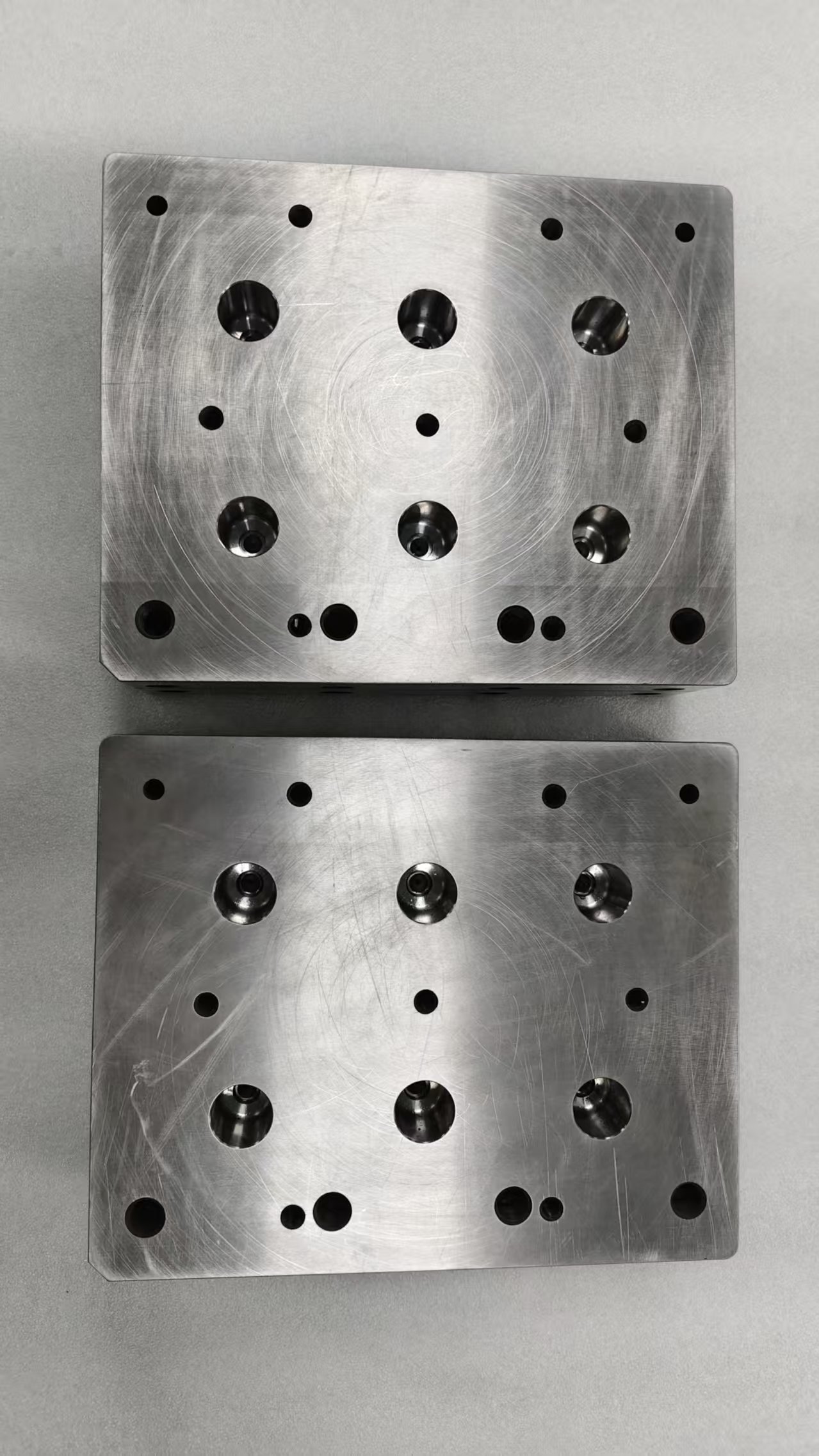
Buying custom injection mold components can be a challenge. You need more than a 3D file to get an accurate price. Each part has its own size, material, and quality needs.
For example, two mold inserts may look alike. However, one may need tight tolerances or extra grinding. This can change the price and lead time.
A clear Request for Quotation (RFQ) helps avoid these problems. It tells the supplier what you need and helps you compare quotes.
In this guide, we explain what to include in an RFQ for custom injection mold components. You will learn which drawings, materials, and quality details matter most.
Why Does a Clear RFQ Matter for Custom Injection Mold Components?
Custom mold parts must fit and work inside a mold. Even a small error can cause problems.
Unlike standard parts, custom injection mold components are made to match your drawings. Each job may need a different steel grade, finish, or level of accuracy.
A clear RFQ helps suppliers:
- Understand how each part works.
- Choose the right way to make it.
- Check the steel grade.
- Find design problems early.
- Plan quality checks.
- Give a more accurate price.
- Set a realistic lead time.
It also makes quotes easier to compare.
As a result, you can avoid extra costs and delays after placing an order.
1. Identify Your Custom Injection Mold Components
First, tell the supplier what parts you need.
Different mold parts have different jobs. Some form the plastic part. Others move inside the mold or push the part out.
Common Types of Custom Injection Mold Components
| Component | Main Job | Key Requirements |
|---|---|---|
| Core insert | Forms inner part features | Size and shape accuracy |
| Cavity insert | Forms outer part surfaces | Accuracy and smooth finish |
| Slider | Forms side holes and undercuts | Good fit and wear resistance |
| Lifter | Releases inner undercuts | Correct angle and smooth movement |
| Core pin | Forms holes or small details | Accurate size and hardness |
| Ejector sleeve | Helps push parts out | Good fit and smooth movement |
| Threaded core | Forms molded threads | Accurate thread shape |
| Replacement insert | Replaces a worn or damaged part | Correct size and fit |
For example, a slider needs smooth guide surfaces. A cavity insert may need a polished finish.
At Fentor Mold, our Precision Mold Components Manufacturing service supports custom cores, cavity inserts, sliders, lifters, and other mold parts.
Therefore, explain what each part does. This helps the supplier understand its key features.
2. Send 2D and 3D Drawings for Custom Injection Mold Components
Drawings are the most important part of your RFQ.
A 3D file shows the shape of the part. However, it may not show all the details needed to make it.
For this reason, send both 2D and 3D drawings when possible.
Recommended Drawing Formats
Common formats include:
- STEP or STP for 3D models.
- X_T for 3D models.
- IGES or IGS for 3D data.
- PDF for 2D drawings.
- DWG or DXF for 2D data.
Your 2D drawing should show:
- Key dimensions.
- Tolerances.
- Material grade.
- Hardness.
- Surface finish.
- Thread details.
- Special notes.
- Drawing revision.
Also, make sure all files use the same revision.
For example, a small change to a hole may affect how the part fits. If the supplier uses an old drawing, the finished part may not fit your mold.
Clear drawings help prevent this risk.
3. Choose Materials for Custom Injection Mold Components
The steel grade affects price, strength, wear, and mold life.
Therefore, tell the supplier which material you need.
If you are not sure, explain how the part will work. The supplier can then suggest suitable options.
Common Mold Component Materials
| Material | Common Use | Main Benefit |
|---|---|---|
| P20 / 1.2311 | Mold inserts and plates | Easy to machine |
| 1.2738 | Large mold cores and cavities | Good machining properties |
| H13 / 1.2344 | Cores, sliders, and wear areas | Good toughness and heat resistance |
| S136 / 1.2083 | Polished or corrosion-resistant inserts | Good polish and rust resistance |
| SKD11 / D2 | Selected wear parts | High wear resistance |
| 1.2316 | Mold parts needing corrosion resistance | Good rust resistance |
These are common choices. However, no single steel grade works best for every mold part.
For example, glass-filled plastic can wear mold surfaces faster. Some plastic grades may also release gases that can harm steel surfaces.
Therefore, choose the material based on how the mold will be used.
If you need a certain steel brand or material report, state this in your RFQ.
4. Define Tolerances for Custom Injection Mold Components
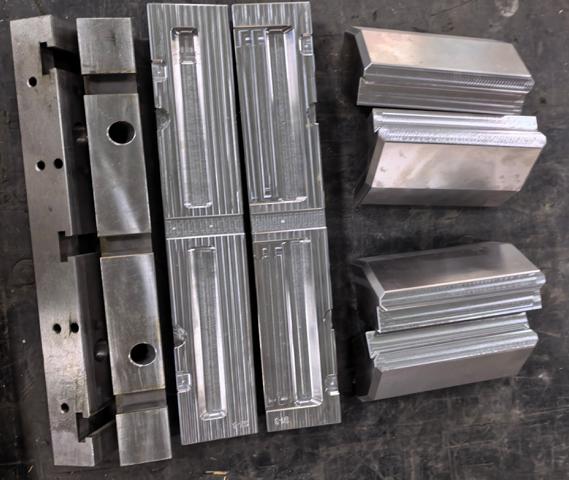
Tolerances tell the supplier how much a size can vary.
They also affect machining time and cost.
Not every feature needs very tight control. Some surfaces are more important than others.
For example, a slider’s guide surface may need a tighter tolerance than its outer face.
What Tolerance Details Should You Send?
Include:
- General tolerances.
- Critical dimensions.
- Flatness.
- Parallelism.
- Perpendicularity.
- Hole position.
- Runout, when needed.
- Fit with other mold parts.
Also, mark the most important dimensions on the drawing.
Avoid using very tight tolerances for every feature unless needed.
This can increase the price without improving how the part works.
Instead, focus on fit, movement, and function.
If you are unsure, ask the supplier to review the tolerances before quoting.
5. Include Hardness and Heat Treatment Details
Some mold parts need high wear resistance. Others need more toughness.
For this reason, you should tell the supplier if heat treatment is required.
Key Hardness Details
Your RFQ may need:
- Required hardness.
- HRC or HB scale.
- Heat treatment type.
- Nitriding needs.
- Surface hardening needs.
- Hardness test report.
For example, a mold insert may need heat treatment before final grinding.
This adds extra work and may affect lead time.
Also, heat treatment can change part dimensions. The supplier may need to grind or machine some features again.
Therefore, confirm these needs before placing the order.
6. Define Surface Finish for Custom Mold Components
Surface finish affects how a mold part looks, fits, and moves.
However, not every surface needs the same finish.
For example, a cavity may need polishing. A slider may need smooth ground surfaces.
Common Surface Finishes
| Finish | Main Use |
|---|---|
| CNC finish | General surfaces |
| Grinding | Flat and accurate surfaces |
| EDM finish | Deep or complex shapes |
| Polishing | Smooth mold surfaces |
| Texturing | Patterned surfaces |
| Nitriding | Surface wear protection |
| PVD coating | Wear or friction control |
If you need a certain Ra value, add it to your drawing.
For EDM surfaces, you can also use a VDI 3400 reference when needed.
In addition, mark which faces need special finishing.
This helps the supplier avoid extra work and costs.
7. Explain How Custom Injection Mold Components Work
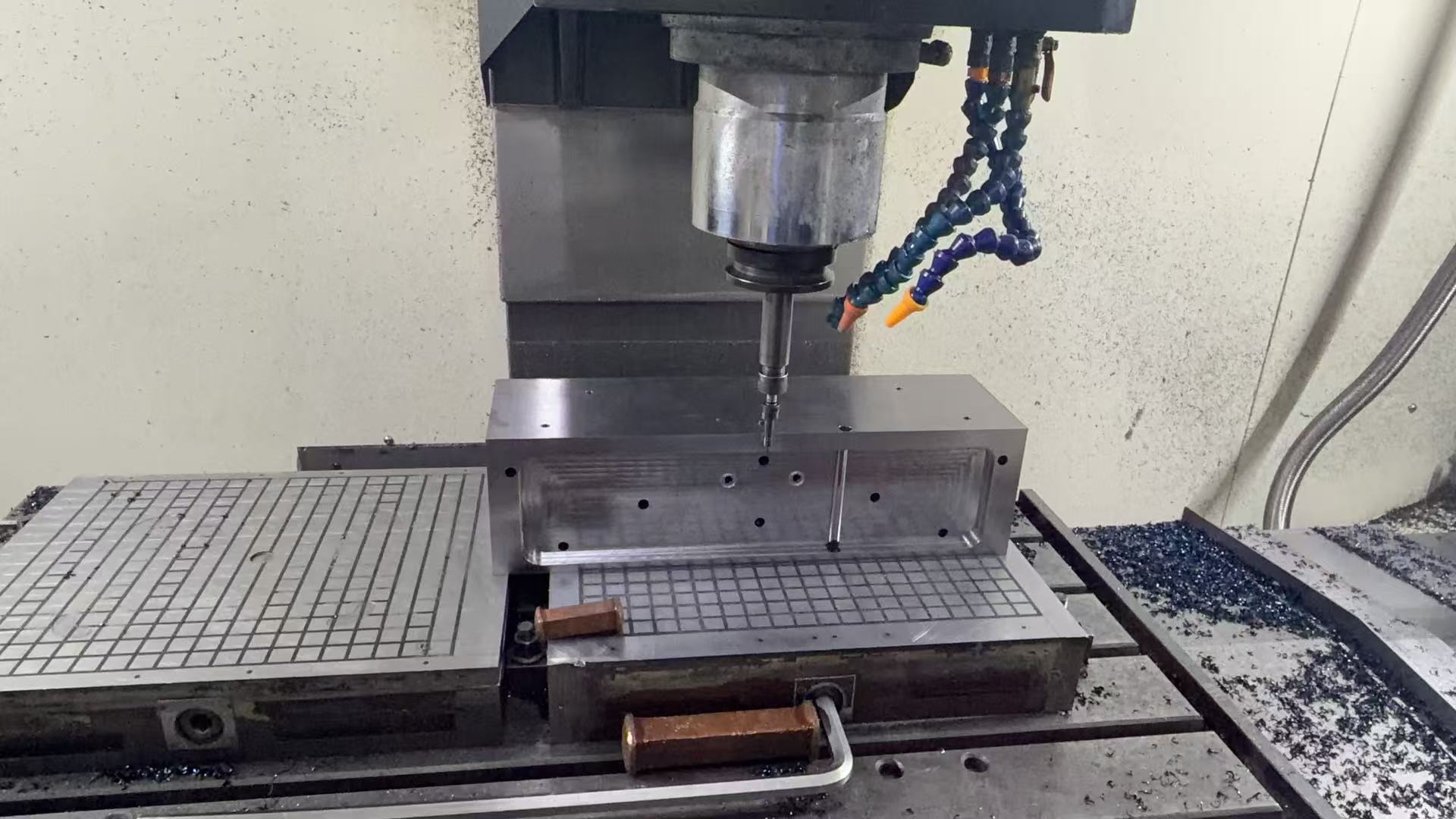
A drawing shows the shape of a mold part. However, it may not show how the part works inside the mold.
This matters most for moving parts.
Common examples include:
- Sliders.
- Lifters.
- Core pins.
- Threaded cores.
- Ejector sleeves.
- Replacement inserts.
For example, a slider moves along guide surfaces. It must fit the mold and move without sticking.
If the supplier only sees the slider drawing, some fit details may be unclear.
Our experience in Injection Mold Manufacturing helps us understand how these parts fit and work inside a complete mold.
What Assembly Details Should You Include?
Send details such as:
- Where the part fits.
- Matching part drawings.
- Moving direction.
- Contact surfaces.
- Required clearances.
- Key fit dimensions.
- Working conditions.
For replacement parts, also explain if the old mold has been repaired or changed.
An old drawing may not show the current mold condition.
Therefore, check the real fit before ordering a new part.
8. State Quantity and Delivery Needs
Order quantity affects the price per part.
For example, one mold insert may cost more per piece than ten inserts of the same design.
This is because machine setup and programming take time.
Key Order Details
Your RFQ should include:
- Quantity for each part.
- Number of part types.
- Trial or production use.
- Expected repeat orders.
- Required delivery date.
- Shipping destination.
- Preferred shipping method.
- Packing needs.
For overseas orders, also ask for rust protection.
Steel parts can rust during shipping if they are not packed well.
Also, confirm the shipping terms. This helps you compare the total cost from different suppliers.
9. Define Quality Checks for Custom Injection Mold Components
Quality checks help confirm that the finished parts match your drawings.
However, the level of inspection depends on the part.
A simple mold plate may need basic size checks. A complex cavity insert may need more detailed reports.
Common Quality Reports
You may request:
- Size inspection report.
- CMM report.
- Material certificate.
- Hardness report.
- Surface roughness report.
- Heat treatment report.
- First Article Inspection (FAI) report.
- Final inspection report.
Also, tell the supplier which dimensions are critical.
For some parts, you may need a full check of every critical feature.
For others, a sample check may be enough.
Agree on the inspection plan before machining starts.
This helps prevent quality disputes after delivery.
10. Ask for Technical Feedback Before Ordering
Some mold parts are difficult to machine.
Therefore, it is useful to ask the supplier to review your drawings before you place an order.
For example, a deep, narrow slot may need EDM work. A very small corner radius may also increase machining time.
The supplier may suggest a simple design change to reduce cost.
Common Questions from Suppliers
A supplier may ask:
- Can the corner radius be larger?
- Does this dimension need such a tight tolerance?
- Can we use another steel grade?
- Is heat treatment required?
- Which surfaces need polishing?
- Can you send the matching part drawing?
These questions help confirm the job.
In many cases, early feedback saves time and avoids mistakes.
11. Custom Injection Mold Components RFQ Checklist
Use this checklist before sending your RFQ.
| RFQ Item | What to Send | Priority |
|---|---|---|
| Component type | Core, cavity, slider, lifter, or insert | High |
| 3D model | STEP, X_T, or other usable file | High |
| 2D drawing | Sizes, tolerances, and notes | High |
| Material | Steel grade | High |
| Hardness | Required hardness and treatment | As needed |
| Surface finish | Ra, polishing, EDM, or coating | As needed |
| Assembly details | Matching parts and fit needs | As needed |
| Quantity | Quantity for each part number | High |
| Inspection | Reports and key dimensions | High |
| Delivery | Lead time and destination | High |
| Packing | Rust protection and packing method | Medium |
| Revision | Latest drawing version | High |
You do not need every detail before asking for a price.
However, mark any open points clearly.
The supplier can then give a first quote and explain what still needs to be confirmed.
12. Common RFQ Mistakes for Custom Injection Mold Components
Even skilled buyers can miss key details.
Here are some common mistakes to avoid.
Sending Only a 3D Model
A 3D model may not show tolerances, hardness, or surface finish.
Therefore, send a 2D drawing when these details matter.
Using Old Drawings
An old drawing may lead to parts that do not fit.
Always confirm the latest file revision.
Missing Material Details
Different steels have different prices and uses.
State the required material or ask for separate prices for approved options.
Using Tight Tolerances Everywhere
Very tight tolerances can increase cost.
Only use them where they are needed.
Forgetting Quality Reports
Ask for inspection reports during the RFQ stage.
Adding them later may lead to extra costs.
Comparing Only Unit Prices
A low price may not include heat treatment, polishing, inspection, or shipping.
Therefore, compare the full quote before choosing a supplier.
13. How Fentor Mold Supports Custom Injection Mold Components
Fentor Mold has more than 20 years of experience in injection mold manufacturing.
We work with overseas customers who need mold cores, cavity inserts, sliders, lifters, and replacement mold parts.
Our team can review 2D and 3D files, steel grades, tolerances, hardness, and surface finish needs.
We also review key machining and inspection details before quoting.
Clear communication helps us understand your project and avoid mistakes.
Whether you need one replacement insert or several mold parts, we welcome your RFQ.
Visit the Fentor Mold official website to learn more about our factory and services.
Conclusion
A clear RFQ makes buying mold parts easier.
When you order custom injection mold components, send accurate drawings, material grades, tolerances, and quality needs.
Also, include quantities, delivery dates, and shipping details.
These simple steps help suppliers give better quotes. They also reduce errors, extra costs, and delays.
Before sending your next RFQ, use the checklist above to make sure nothing important is missing.
FAQ
What Drawings Do I Need for Custom Injection Mold Components?
A 3D model and a 2D drawing are best. The 3D file shows the part shape. The 2D drawing shows key sizes, tolerances, material, and finish needs.
Can I Get a Quote Without a 2D Drawing?
Yes. A supplier may give a first quote based on a 3D file. However, you should confirm all key details before machining starts.
What Steel Grades Are Used for Mold Components?
Common grades include P20, H13, S136, and 1.2316. The best choice depends on the part’s job, wear needs, and working conditions.
Why Do Mold Component Prices Vary?
Prices depend on steel grade, part size, machining time, tolerances, heat treatment, finish, quantity, and quality checks.
Can Fentor Mold Quote Replacement Mold Parts?
Yes. You can send us your drawings for review. For older molds, it also helps to share photos and details of any past repairs or changes.
What Should I Send for Slider or Lifter Quotes?
Send the 2D and 3D files, steel grade, hardness, key tolerances, movement direction, matching part details, and order quantity.