Choosing the right plastic injection molding supplier is important for product quality, tooling costs, and delivery. However, comparing prices and lead times is not enough. Buyers also need to review the supplier’s technical skills, quality systems, and production records.
A reliable plastic injection molding supplier should provide clear documents for mold design, manufacturing, inspection, and quality control. These records help buyers find risks before tooling starts. They also reduce costly mistakes during production.
In this guide, we explain which documents matter most during a supplier audit, what buyers should check, and how to evaluate a factory before placing an order.
Why Audit a Plastic Injection Molding Supplier?
A supplier audit helps buyers understand how a factory manages tooling projects, production quality, and delivery.
A good supplier should follow clear working procedures. More importantly, its records should show that the team follows those procedures during real projects.
For example, a factory may claim that it checks every mold design. However, without design review records, buyers cannot confirm how the process works.
A proper supplier audit can help you:
- Reduce mold design errors.
- Prevent unexpected tooling changes.
- Improve plastic part quality.
- Avoid production delays.
- Check material and part traceability.
- Improve communication between engineering teams.
- Build a more reliable supply chain.
Therefore, buyers should review both the supplier’s documents and its actual working methods.
1. Check the Supplier’s Quality Certificates
Quality documents are a good starting point when evaluating a plastic injection molding supplier.
They help buyers understand whether the factory has a structured system for managing quality, inspection, and corrective actions.
Quality Documents for a Plastic Injection Molding Supplier
| Document | What Buyers Should Check |
|---|---|
| ISO 9001 certificate | Certificate validity, scope, and issuing body |
| Quality procedures | How the factory controls product quality |
| Internal audit reports | Whether the factory reviews its own processes |
| Corrective action reports | How quality problems are investigated and solved |
| Training records | Whether employees receive suitable training |
| Equipment calibration records | Whether measuring equipment is properly controlled |
ISO 9001 is a widely used quality management standard. However, certification alone does not prove that every mold meets customer requirements.
Therefore, buyers should request examples of actual inspection reports and corrective action records.
Also, check whether the certificate covers the manufacturing activities that matter to your project.
For automotive projects, customers may request additional quality documents and supplier qualifications.
2. Review Mold Design Documents
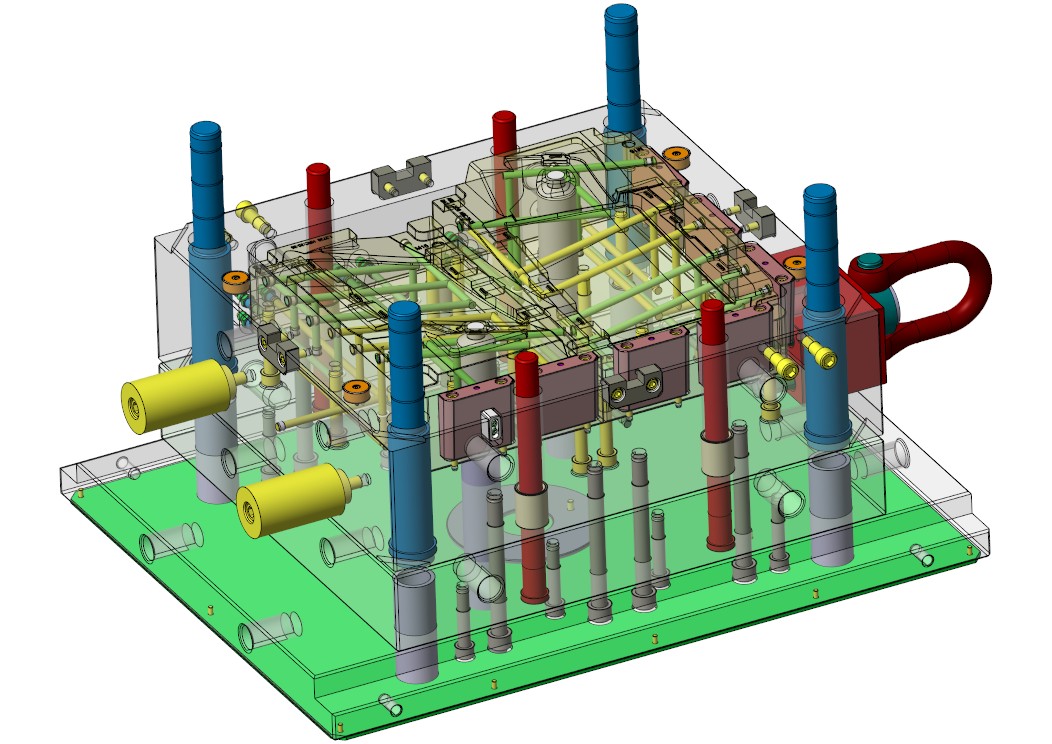
Mold design is one of the most important parts of a supplier audit.
Poor design decisions can create problems before mold manufacturing even begins.
For example, an unsuitable gate position may cause visible weld lines. Poor cooling can lead to part warpage or longer cycle times.
Therefore, your plastic injection molding supplier should have a clear process for reviewing and approving mold designs.
Key Mold Design Documents
A useful mold design package should include:
- Product 2D drawings and 3D CAD files.
- Design for Manufacturing (DFM) report.
- Mold layout and assembly drawings.
- Parting line and gate location details.
- Cooling system layout.
- Ejection system design.
- Slider and lifter design, where needed.
- Mold steel specifications.
- Design review and approval records.
- Engineering change records.
The supplier should also explain how it controls drawing revisions.
For instance, if the customer changes a mounting hole position, the factory must ensure that every department uses the latest drawing.
Without good revision control, even a well-built mold may produce the wrong part.
At Fentor Mold, we focus on reviewing key tooling details before mold manufacturing begins. This helps reduce design risks and improves communication with overseas customers.
Our Injection Mold Manufacturing service supports mold design review, tooling construction, and mold trials.
3. Review DFM Reports Before Mold Manufacturing
A Design for Manufacturing (DFM) report helps identify product and tooling risks before steel cutting.
This document is especially important when buyers cannot visit the supplier’s factory regularly.
How to Review a Plastic Injection Molding Supplier’s DFM Report
A good DFM report should cover:
- Wall thickness and draft angles.
- Rib and boss design.
- Undercuts and side actions.
- Parting line location.
- Gate position.
- Ejection marks.
- Sink marks and weld lines.
- Material shrinkage.
- Critical dimensions.
- Surface finish requirements.
However, a DFM report should do more than show CAD screenshots.
It should explain each problem, suggest a practical solution, and identify decisions that need customer approval.
For example, a deep rib may increase the risk of sink marks. The supplier should identify the problem and recommend design changes before machining starts.
When needed, Moldflow analysis can also help evaluate filling, packing, cooling, and warpage risks.
A professional plastic injection molding supplier should discuss these risks with the customer rather than waiting until the first mold trial.
For more information, read our Injection Mold DFM Analysis Guide.
4. Check Mold Material and Manufacturing Records
Good mold design must be supported by suitable materials and accurate manufacturing.
Therefore, buyers should check how the factory controls mold steel, machining, heat treatment, and assembly.
A reliable plastic injection molding supplier should provide records that confirm important manufacturing requirements.
Important Mold Manufacturing Documents
| Document | Purpose |
|---|---|
| Mold steel certificate | Confirms steel grade and material information |
| Steel hardness report | Checks required hardness |
| CNC inspection report | Verifies machined dimensions |
| EDM inspection record | Checks critical EDM features |
| Heat treatment report | Confirms treatment conditions where required |
| Mold assembly checklist | Checks assembly quality and moving components |
| Mold component inspection report | Verifies important inserts, sliders, and lifters |
Not every mold requires the same documents.
For example, a simple prototype mold may need fewer reports than a high-volume automotive mold.
However, critical materials and dimensions should still have suitable inspection records.
Buyers should also check whether the supplier can trace important mold components back to their material specifications.
This is especially important for high-volume molds that require long service life and stable production.
5. Check Mold Trial and Inspection Reports
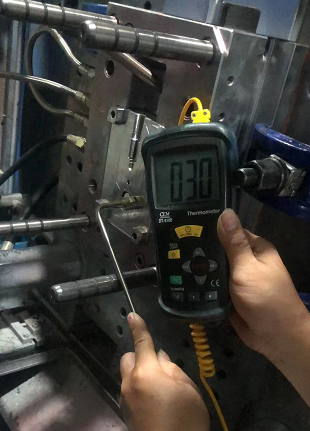
Mold trials are an important step in confirming whether tooling works as expected.
However, a successful trial means more than producing a complete plastic part.
Buyers need clear evidence that the samples meet their drawing and functional requirements.
Plastic Injection Molding Supplier Trial Report Checklist
A reliable plastic injection molding supplier should provide trial records with:
- Mold trial date and revision.
- Injection molding machine information.
- Plastic material and grade.
- Material drying conditions.
- Melt and mold temperatures.
- Injection and holding parameters.
- Cooling time and cycle time.
- Sample photos.
- Trial defects and observations.
- Dimensional inspection results.
- Planned corrective actions.
In addition, buyers should request measurement reports for critical dimensions.
For example, an automotive plastic bracket may require strict control of mounting holes, snap-fit features, and assembly positions.
If the first trial shows problems, the supplier should record the cause and planned action.
After making corrections, the engineering team should check the affected features again.
This process helps buyers understand whether the mold is ready for approval.
For further reading, see our Injection Mold Quality Control Guide.
6. Check Production Records from Your Plastic Injection Molding Supplier
A supplier may build a good mold but still struggle with stable mass production.
For this reason, buyers should also review the factory’s injection molding production controls.
Production documents help show how the supplier maintains quality during repeat orders.
Important Production Documents
| Document | What It Shows |
|---|---|
| Process setup sheet | Main molding parameters |
| Production inspection plan | Inspection items and inspection frequency |
| First article inspection report | Initial part measurements |
| Material batch records | Resin traceability |
| Machine maintenance records | Equipment maintenance controls |
| Nonconforming product records | How defective parts are identified and handled |
| Packaging instructions | How finished products are protected |
Also, ask how the factory manages process changes.
For example, switching to a different material grade may affect shrinkage, strength, or appearance.
Therefore, important changes should receive proper technical review and customer approval when required.
If your project needs both tooling and molded parts, choosing a plastic injection molding supplier with production experience may simplify communication and project management.
Fentor Mold supports customers through Injection Molding Production, including production planning and plastic part manufacturing.
7. Review PPAP and Automotive Quality Documents
Automotive projects often require more detailed quality approval records.
However, the exact requirements depend on the customer, project, and supplier agreement.
Some customers may request a Production Part Approval Process (PPAP) submission.
Common Automotive Quality Documents
Typical PPAP-related documents include:
- Design records.
- Engineering change documents.
- Process flow diagram.
- Process Failure Mode and Effects Analysis (PFMEA).
- Control plan.
- Dimensional inspection results.
- Material and performance test results.
- Measurement System Analysis (MSA) records.
- Initial process capability studies.
- Part Submission Warrant (PSW).
These documents help customers review whether the supplier can consistently meet product and production requirements.
However, buyers should not assume that every plastic injection molding supplier provides a complete PPAP package as standard.
Instead, confirm the required documents, submission level, and responsibilities before placing the order.
This is particularly important for automotive plastic components with strict assembly, performance, or safety requirements.
8. Check Project Management and Change Control
Technical skills are important, but project management also affects tooling success.
A plastic injection molding supplier should have a clear system for tracking project progress, engineering decisions, and customer changes.
Therefore, ask for examples of:
- Project schedules.
- Tooling milestone reports.
- Design approval records.
- Engineering change requests.
- Mold trial action lists.
- Customer approval records.
- Final mold acceptance documents.
For example, a customer may request a design change after the first mold trial.
The supplier should record the change, assess its effect on cost and delivery, and obtain approval before making major modifications.
Good project records make communication easier.
They also reduce confusion between engineering, manufacturing, purchasing, and quality teams.
For overseas projects, regular updates are especially useful because customers may not be able to visit the factory frequently.
9. Check Mold Maintenance and Technical Support
Mold design should also consider future maintenance.
A mold may produce good samples during the first trial but become difficult to repair after months of production.
Therefore, buyers should check whether the supplier can provide the documents needed for long-term tooling support.
Important Mold Maintenance Documents
Useful records include:
- Final mold assembly drawings.
- Mold component drawings.
- Spare parts list.
- Hot runner information.
- Cooling circuit layout.
- Mold maintenance instructions.
- Final design revision records.
These documents are especially important when the mold will be transferred to another injection molding factory.
For example, clear cooling and electrical connection information can make mold installation easier.
In addition, spare parts information helps the receiving factory maintain the mold without unnecessary delays.
Before selecting a plastic injection molding supplier, buyers should also confirm mold ownership, design file access, and technical support arrangements.
These terms should be agreed upon before tooling starts.
10. Warning Signs When Auditing a Plastic Injection Molding Supplier
A supplier audit should help buyers identify real risks, not simply collect paperwork.
Pay attention when a supplier:
- Cannot provide clear design review records.
- Uses drawings without revision numbers.
- Has no reliable material traceability.
- Cannot explain how inspection results are checked.
- Provides incomplete mold trial reports.
- Has no clear corrective action process.
- Frequently changes project schedules without explanation.
- Cannot show how approved changes reach production.
One missing document does not always mean a supplier is unreliable.
A small factory may use a simpler reporting system than a large automotive supplier.
However, the supplier should still demonstrate that important work is properly controlled and recorded.
The key question is whether its processes can consistently meet your project requirements.
11. Plastic Injection Molding Supplier Audit Checklist
Before selecting a supplier, use this checklist to review the most important areas.
| Audit Area | Key Documents | Priority |
|---|---|---|
| Quality system | Certificates, procedures, audit records | High |
| Mold design | CAD files, DFM reports, design approvals | High |
| Material control | Steel certificates, resin records | High |
| Mold manufacturing | Machining and component inspection reports | High |
| Mold trials | Trial reports, sample measurements | High |
| Production quality | Inspection plans, process records | High |
| Automotive approval | PPAP, PFMEA, control plan, if required | Project-dependent |
| Project management | Schedules, change records, action lists | High |
| Mold maintenance | Spare parts list, maintenance records | Medium to High |
The best audit approach is to request documents in stages.
First, review the supplier’s general capabilities and quality procedures.
Next, ask for sample reports from similar projects.
Finally, confirm the exact documents the supplier will deliver for your own project.
This approach saves time while providing useful evidence of supplier performance.
12. How to Choose the Right Plastic Injection Molding Supplier
The best plastic injection molding supplier is not always the factory offering the lowest price.
Buyers should compare several important factors before making a decision.
Technical Capabilities
Check whether the supplier has experience with your product type, plastic material, mold structure, and production requirements.
For example, automotive connectors and high-precision housings may require more advanced tooling and dimensional control than simple household products.
Quality Management
Review inspection procedures, measurement equipment, and quality records.
A good supplier should explain how it prevents defects and handles quality problems.
Engineering Support
Ask whether the supplier can provide DFM reviews, mold design suggestions, and technical support during mold trials.
Early engineering support can prevent expensive tooling changes.
Delivery and Communication
Check how the supplier manages project schedules and customer communication.
Clear progress reports can help overseas buyers identify potential delays before they affect delivery.
Production Capabilities
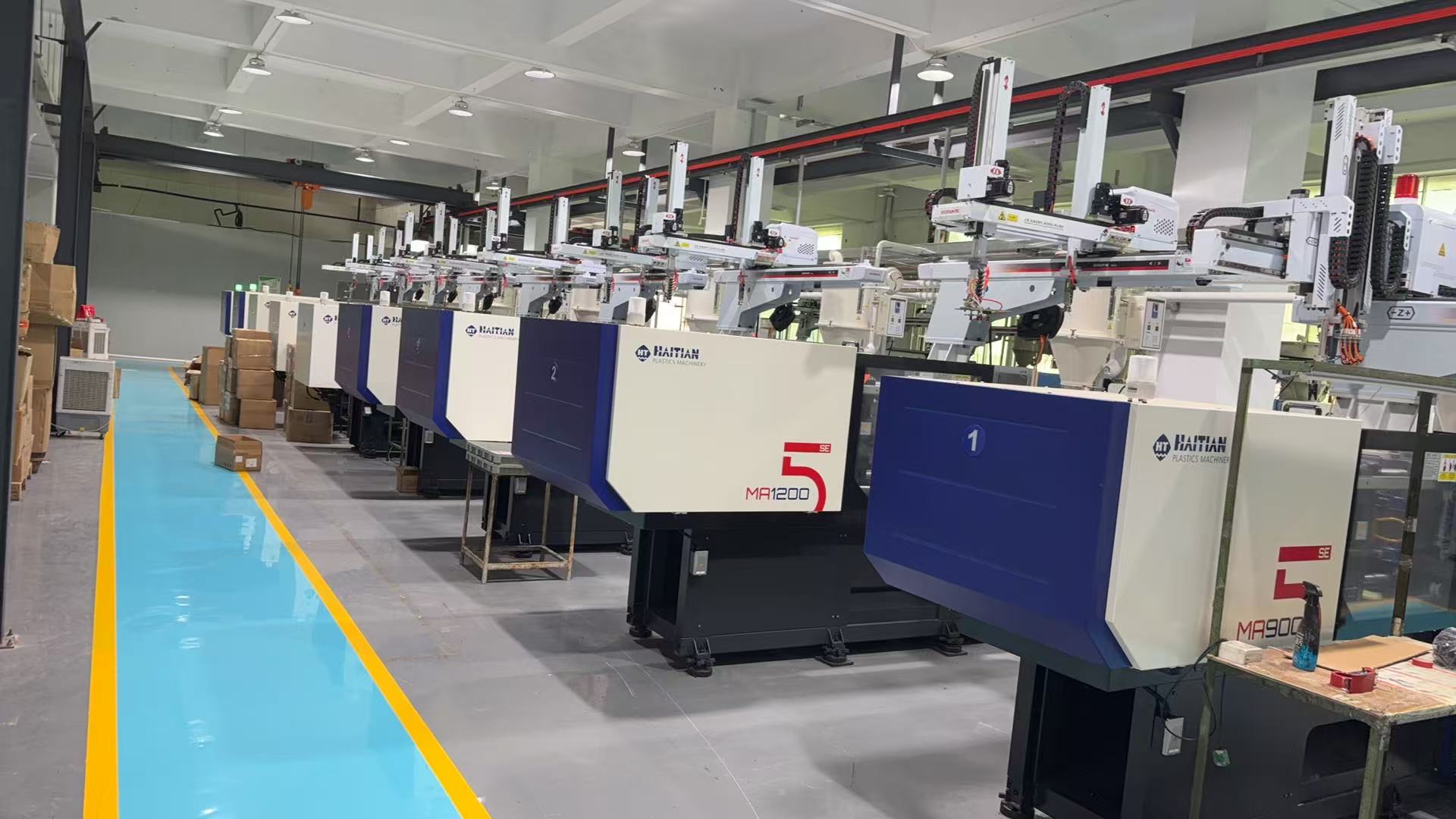
If you need mass production, confirm the supplier’s injection molding capacity, inspection methods, and production management system.
A supplier with both tooling and molding capabilities may offer advantages when projects require ongoing engineering adjustments.
13. Why Choose Fentor Mold as Your Plastic Injection Molding Supplier?
Fentor Mold has more than 20 years of experience in injection mold manufacturing.
We support overseas customers with plastic injection mold design, tooling manufacturing, mold trials, and injection molding production.
Our experience includes automotive components and other precision plastic products.
We understand that customers need more than a competitive tooling price. They also need reliable engineering communication, clear project planning, and consistent quality.
Our team focuses on reviewing tooling details before manufacturing begins. In addition, we work with customers to identify design risks and discuss practical solutions.
For projects requiring specific quality documents, inspection reports, or mold trial records, we can review the documentation requirements during the quotation and project planning stages.
This helps establish clear expectations before manufacturing starts.
If you are looking for a plastic injection molding supplier in China, visit our homepage or contact us to discuss your project requirements.
Conclusion
A supplier audit should focus on evidence, not just promises.
Quality certificates are useful, but design reviews, inspection reports, trial records, and production controls provide a clearer picture of what a factory can deliver.
When evaluating a plastic injection molding supplier, buyers should pay special attention to mold design, material traceability, inspection procedures, and engineering change control.
These documents help identify risks before expensive tooling work begins.
By reviewing the right records early, buyers can reduce uncertainty, improve communication, and make better purchasing decisions.
FAQ
What Documents Should I Request from a Plastic Injection Molding Supplier?
Start with quality management records, DFM reports, mold design drawings, material certificates, inspection reports, and mold trial records. For production orders, request process control and material traceability information as well.
Is ISO 9001 Certification Enough to Approve an Injection Molding Supplier?
No. ISO 9001 provides a useful basis for quality management, but buyers should also review actual project records, technical capabilities, and production results.
Why Are Mold Design Documents Important During a Supplier Audit?
Mold design affects product quality, mold life, cycle time, and maintenance. Reviewing design documents helps buyers identify technical risks before mold manufacturing begins.
Does Every Injection Molding Supplier Need PPAP Documents?
No. PPAP is commonly used for automotive projects and certain customer-specific requirements. The required documentation should be agreed upon before the project starts.
Can I Audit a Plastic Injection Molding Supplier Remotely?
Yes. Buyers can review documents, inspect sample reports, hold video meetings, and request live factory walkthroughs. However, remote checks may not replace an on-site audit when a project carries higher risk.