
Why Do Transparent PC Parts Have Bubbles?
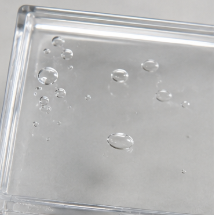
Bubbles are a serious defect in transparent PC injection molded parts.
They are easy to see because light passes through the part.
Bubbles can come from moisture, trapped air, material degradation, or excessive shrinkage inside thick sections.
For transparent PC parts, even a very small bubble can make the product unacceptable.
1. Make Sure the PC Is Completely Dry
PC absorbs moisture from the air.
If the material contains moisture, the water can turn into gas during injection.
This gas can create bubbles, silver streaks, and other surface defects.
Drying is the first step.
Also check the dryer itself. A correct drying temperature is not enough if the dryer cannot maintain stable conditions.
After drying, keep the material sealed until it enters the molding machine.
2. Check for Trapped Air
Not every bubble comes from moisture.
Air can become trapped inside the cavity during filling.
This is more common around:
- Deep ribs
- Blind holes
- Thick sections
- The end of filling
- Areas where flow fronts meet
Good mold venting allows trapped air to escape.
For transparent PC parts, venting deserves extra attention because even a small amount of trapped gas can affect appearance.
3. Avoid Excessively Thick Sections
Thick sections can develop internal voids.
The outside of the part may solidify first while the inside remains hot.
As the core material shrinks, it can pull away from the surrounding material.
This creates an internal void that looks like a bubble.
The best solution is often to reduce unnecessary wall thickness.
If strength is required, use ribs or other structural features instead of creating a large solid section.
4. Check Injection and Holding Conditions
Injection conditions also affect internal bubbles.
If the filling pressure is too low, the cavity may not receive enough material during packing.
Insufficient holding pressure can allow the material to shrink internally.
However, simply increasing pressure is not always the correct solution.
The correct conditions depend on the gate, wall thickness, material temperature, mold temperature, and product structure.
5. Check the Screw and Barrel
Air can also enter the material during plasticizing.
If the screw recovery process introduces excessive air, bubbles may appear in the molded part.
Check:
- Screw back pressure
- Screw speed
- Melt temperature
- Material feeding
- Residence time
The goal is to plasticize the PC smoothly without unnecessary shear or air entrainment.
6. Gate and Runner Design Matter
A poorly designed runner or gate can create unstable flow.
A gate that is too small can increase shear and material degradation.
An unsuitable gate location can also increase the risk of trapped air or internal stress.
For transparent PC products, gate design should be considered together with the cosmetic requirements.
Our injection mold manufacturing service includes gate, runner, cooling, and venting design.
7. Mold Flow Analysis Can Help
For large transparent parts, it is difficult to predict all filling problems from experience alone.
Mold flow analysis can help identify:
- Air traps
- Weld lines
- Filling pressure
- Flow direction
- Thick sections
- Potential problem areas
This allows the mold design to be improved before manufacturing.
Our prototype injection molding service can also help verify a product before full production.
How to Prevent Bubbles in Transparent PC Parts
A practical approach is:
- Dry PC material correctly.
- Protect dried material from moisture.
- Improve mold venting.
- Avoid unnecessary thick sections.
- Optimize holding pressure and time.
- Check screw recovery conditions.
- Review gate and runner design.
- Use mold flow analysis for complex parts.
Final Thoughts
Bubbles in transparent PC parts do not always come from moisture.
If the material is already dry, check trapped air, thick sections, internal shrinkage, plasticizing conditions, and mold design.
For transparent products, prevention is much easier than trying to repair the problem after molding.
A good combination of product design, mold design, material control, and molding conditions is the key to achieving clear and defect-free PC parts.
For more information, see our injection molding production service.
You can also find more practical injection molding topics on the Fentormold blog.