1. What Are Ejector Marks?
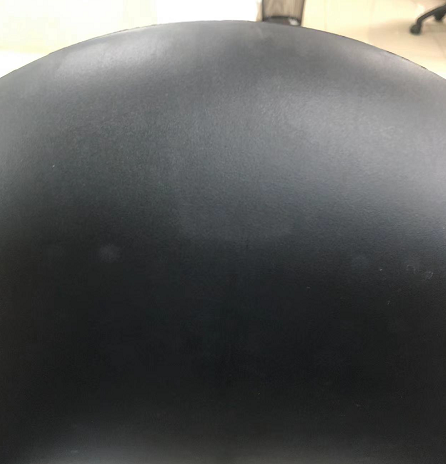
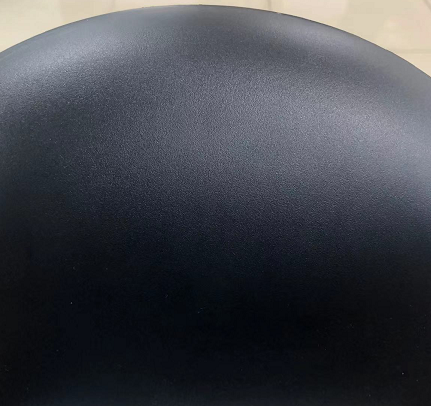
An Ejector Mark is a surface defect that occurs when ejector pins apply excessive localized force during the ejection stage of the injection molding process. The defect may appear as an indentation, protrusion, whitening, gloss variation, or stress mark on the molded part. Although ejector marks typically do not affect the functionality of the product, they can significantly reduce cosmetic quality, especially for high-gloss, transparent, or Class A appearance parts.
For manufacturers, preventing ejector marks starts long before production. Proper mold design, DFM analysis, and process optimization are essential for achieving stable part quality. As a professional injection mold manufacturer, Fentormold provides complete injection mold design, tooling, and injection molding solutions that help eliminate molding defects during the early development stage.
2. Main Causes of Ejector Marks
2.1 Excessive Ejection Force
When the part experiences high resistance during demolding, the ejector system must apply greater force to remove the part from the mold. If the applied force exceeds the local strength of the plastic, ejector marks are likely to occur.
Common causes include:
- Insufficient draft angle
- Excessive shrinkage around the core
- High friction between the part and mold surface
- Rough mold finish
2.2 Small Ejector Pin Contact Area
If the ejector pin diameter is too small or too few ejector pins are used, the ejection force becomes concentrated over a limited area. This increases the local pressure and may cause visible pin marks or deformation.
Typical symptoms:
- Circular indentations
- Localized whitening
- Surface gloss variation
- Sink-like impressions
2.3 Insufficient Wall Thickness
Thin wall sections have limited structural strength and cannot effectively withstand the concentrated force from ejector pins.
Typical applications include:
- Thin-wall housings
- Cosmetic covers
- Large flat panels
These areas are more susceptible to deformation during ejection.
2.4 Inadequate Cooling
If the part is ejected before it has completely solidified, the plastic remains soft and lacks sufficient rigidity. Under ejector pin pressure, permanent deformation can easily occur.
Common results include:
- Indentations
- Surface distortion
- Ejector marks accompanied by sink marks
2.5 Insufficient Packing Pressure
Low packing pressure or insufficient packing time reduces the density and strength of the molded part.
As a result:
- The plastic cannot adequately resist the ejection force.
- Local deformation occurs more easily.
- Ejector marks become more visible.
2.6 High Demolding Resistance
Several mold-related factors can increase demolding resistance, including:
- Poor mold surface finish
- Vacuum caused by inadequate venting
- Excessive grip between the core and the part
- Undercuts or surface scratches
Higher resistance requires greater ejection force, increasing the likelihood of ejector marks.
2.7 Improper Ejector Pin Layout
Poor ejector pin distribution causes uneven force during ejection. Areas supported by fewer pins experience higher localized stress.
Common design issues include:
- Too few ejector pins
- Large spacing between pins
- Poor support beneath large flat areas
- Ejector pins positioned away from structural ribs
2.8 Poor Ejector Pin Condition
Improper machining or wear of ejector pins can directly affect the surface quality of molded parts.
Examples include:
- Uneven pin height
- Pins protruding above the mold surface
- Rough pin faces
- Damaged or worn ejector pins
3. Corrective Actions
| Root Cause | Recommended Solution |
|---|---|
| Excessive ejection force | Increase draft angle, reduce demolding resistance, improve mold release |
| Small ejector pin area | Increase pin diameter, add more ejector pins, use blade ejectors or stripper plates |
| Thin wall section | Increase local wall thickness, add reinforcing ribs, relocate ejector pins |
| Inadequate cooling | Extend cooling time, optimize cooling channels, lower mold temperature |
| Insufficient packing | Increase packing pressure and packing time to improve part density |
| High demolding resistance | Polish mold surfaces, improve venting, optimize mold design |
| Improper ejector layout | Redistribute ejector pins to provide uniform support |
| Poor ejector pin condition | Repair or replace ejector pins and ensure flush pin surfaces |
4. Prevention Recommendations
To minimize ejector marks, manufacturers should optimize product design, mold design, and molding parameters simultaneously.
Best practices include:
- Design adequate draft angles to reduce demolding resistance.
- Avoid placing ejector pins beneath cosmetic surfaces.
- Increase the number or diameter of ejector pins to distribute force evenly.
- Ensure sufficient cooling before ejection.
- Optimize packing pressure and packing time.
- Maintain mold surfaces and ejector pins regularly.
For new product development, performing Design for Manufacturing (DFM) before mold fabrication can identify potential ejection problems early. Fentormold integrates DFM analysis, mold flow evaluation, precision mold manufacturing, and production support to reduce defects and shorten development cycles.
5. Conclusion
Ejector marks are primarily caused by excessive localized ejection force combined with insufficient part rigidity or high demolding resistance. Their root causes may originate from product design, mold design, material selection, or molding process parameters.
By optimizing draft angles, ejector system design, cooling efficiency, packing conditions, and mold maintenance, manufacturers can significantly reduce ejector marks while improving cosmetic appearance and production consistency.
When developing new plastic products, working with an experienced mold manufacturer that offers DFM analysis, precision tooling, and scientific molding support can help prevent defects before production begins. Fentormold provides end-to-end injection molding solutions—from mold design and prototype tooling to mass production—to help customers achieve consistent, high-quality molded parts.
Key Takeaway: Reduce demolding resistance, distribute ejection force evenly, and ensure sufficient part rigidity before ejection. These three principles are the foundation for preventing ejector marks in injection molded parts.