Before Choosing an Injection Mold Inserts Supplier, Consider These Factors
- Injection mold inserts are replaceable precision components that improve mold maintenance and production efficiency.
- Choosing the right injection mold inserts supplier requires evaluating machining capability, material knowledge, and quality control.
- CNC machining, EDM, heat treatment, and grinding determine the accuracy and service life of mold inserts.
- Proper material selection helps prevent premature wear, corrosion, and production problems.
- Working with an experienced mold component supplier can reduce tooling costs and manufacturing risks.
Introduction
Choosing the right Injection Mold Inserts supplier is an important decision for mold makers and injection molding companies. High-quality inserts directly influence mold performance, part quality, maintenance cost, and production reliability.
Unlike standard mold components, precision mold inserts require advanced machining capability, proper steel selection, and strict quality control. A reliable supplier should have experience with CNC machining, EDM processing, heat treatment, and precision inspection.
For companies outsourcing mold components, selecting the right supplier can reduce tooling risks, shorten production delays, and improve overall mold lifespan.
What Are Injection Mold Inserts and Why Are They Important?
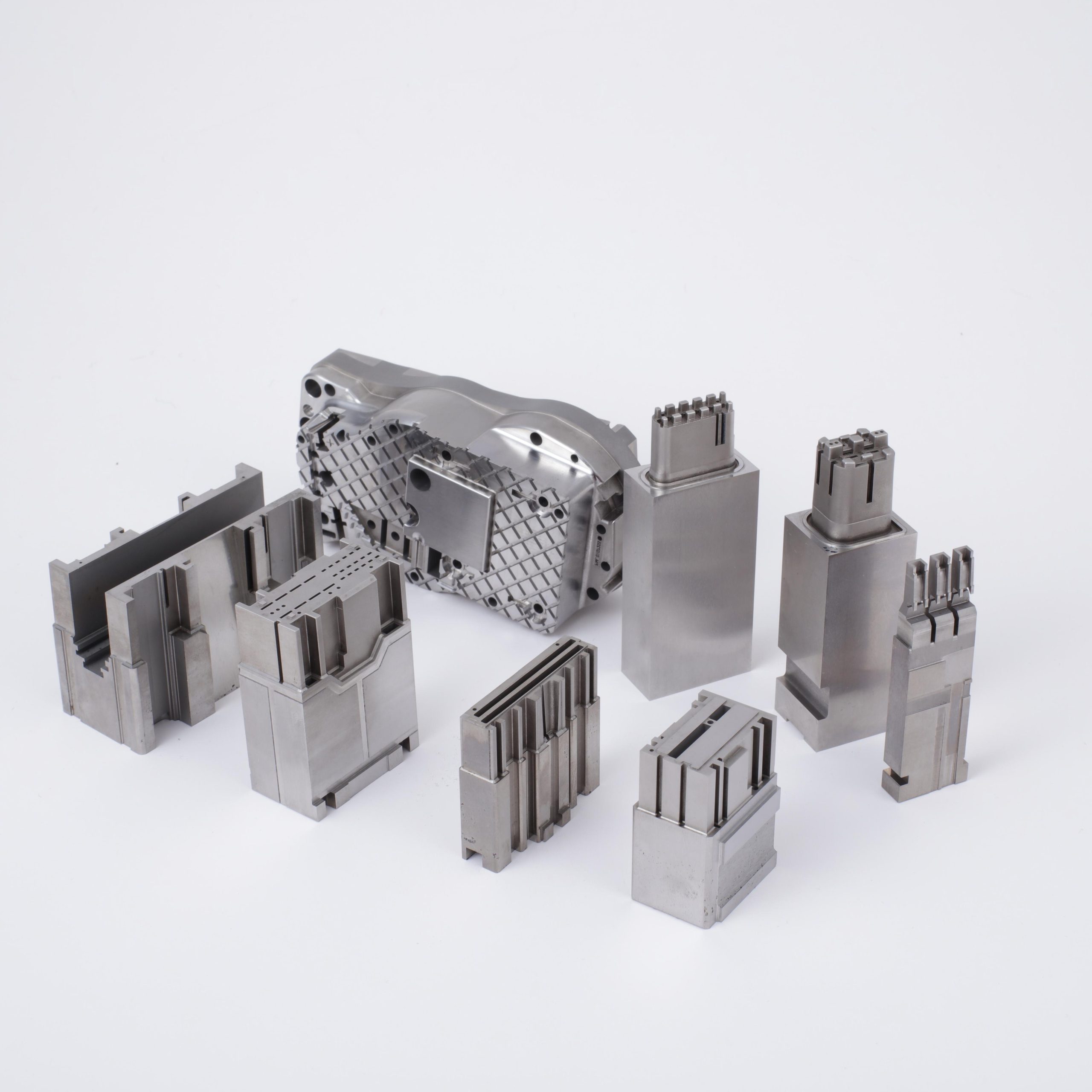
Injection Mold Inserts are replaceable components installed inside injection molds to create specific part features, including cavities, cores, textures, and complex geometries.
Instead of manufacturing the complete cavity or core as one piece, mold makers often use inserts to improve flexibility and reduce maintenance costs.
The main benefits include:
- Easier mold repair
- Faster replacement
- Lower maintenance cost
- Improved machining flexibility
- Better control of complex features
In real mold production, high-wear areas such as ribs, sharp corners, and sealing surfaces often experience damage after long production cycles. Replaceable inserts allow manufacturers to repair only the damaged area instead of rebuilding the entire mold.
For complete tooling solutions, Fentormold provides professional Injection Mold Manufacturing services covering mold design, tooling production, and precision mold components.
Internal Link:
https://www.fentormold.com/
Types of Injection Mold Inserts
Different applications require different insert designs. The most common types include cavity inserts, core inserts, and replaceable inserts.
Cavity Inserts
Cavity inserts create the external surface of plastic parts.
They are commonly used for:
- Product appearance surfaces
- Logos and markings
- Textured areas
- High cosmetic requirements
Because cavity inserts directly contact molten plastic, surface finish and polishing quality are critical factors.
For appearance-sensitive products, the insert material and finishing process can directly affect the final molded part quality.
Core Inserts
Core inserts form internal features such as:
- Holes
- Ribs
- Bosses
- Internal structures
Compared with cavity inserts, core inserts usually experience higher mechanical stress during ejection and require good wear resistance.
Replaceable Mold Inserts
Replaceable inserts are widely used in production tooling because they reduce downtime.
When a specific mold area becomes damaged, manufacturers can replace the insert instead of repairing the complete mold.
This approach is especially valuable for:
- High-volume production molds
- Complex tooling
- Expensive multi-cavity molds
How to Choose the Right Injection Mold Inserts Supplier?
Selecting an injection mold inserts supplier should not be based only on price. A qualified supplier should have the technical capability to produce accurate, durable, and consistent mold components.
1. Evaluate Manufacturing Capability
A professional supplier should have experience with:
- CNC machining
- EDM machining
- Wire EDM
- Surface grinding
- Precision inspection
Precision mold inserts often require tight dimensional control. Depending on the application, machining tolerances may need to reach around ±0.01 mm.
A supplier with complete manufacturing capability can control quality from raw material preparation to final inspection.
For customers looking for outsourced tooling components, Fentormold provides Injection Mold Components Manufacturing services including custom inserts, sliders, and other precision mold parts.
https://www.fentormold.com/components-manufacturing/
2. Check Material Selection Experience
Material selection is one of the most important factors affecting the performance of Injection Mold Inserts.
Different applications require different steel properties, including:
- Wear resistance
- Corrosion resistance
- Toughness
- Polishing performance
- Heat resistance
A professional supplier should recommend suitable materials based on the plastic resin, production volume, surface requirements, and expected mold life.
Common materials used for injection mold inserts include:
| Material | Main Advantages | Typical Applications |
|---|---|---|
| S136 Stainless Steel | Excellent corrosion resistance and polishing performance | Medical, optical, high-gloss parts |
| H13 Tool Steel | High toughness and heat resistance | High-temperature molding applications |
| P20 Steel | Good machinability and cost efficiency | General injection molds |
| SKD11 Steel | Excellent wear resistance | High-friction mold areas |
| 718H Steel | Good balance of hardness and machining performance | Medium-volume production molds |
In actual mold manufacturing, choosing the wrong steel can increase maintenance frequency. For example, inserts used for abrasive materials such as glass-filled plastics require higher wear resistance than standard ABS or PP applications.
3. Review Quality Control and Inspection Capability
Precision is critical for mold inserts because even small dimensional errors can affect mold assembly and part quality.
A reliable supplier should have inspection capability including:
- Coordinate Measuring Machine (CMM)
- Height measurement
- Hardness testing
- Surface roughness inspection
- Dimensional inspection reports
Before shipping, precision mold inserts should be checked to ensure they match the mold drawing requirements.
Poor-quality inserts may cause:
- Flash problems
- Misalignment
- Difficult mold assembly
- Shorter mold life
A supplier with strict inspection procedures helps reduce production risks after the mold enters operation.
Injection Mold Inserts Manufacturing Process
Manufacturing high-quality mold inserts requires several precision processes. Each step affects the final accuracy, surface finish, and service life.
CNC Machining
CNC machining is usually the first step for creating the basic shape of mold inserts.
The process controls:
- Insert dimensions
- Hole positions
- Structural features
- Machining allowance
High-speed CNC machining improves efficiency while maintaining accuracy for complex insert geometries.
EDM Machining
Electrical Discharge Machining (EDM) is widely used for precision mold inserts.
EDM is especially suitable for:
- Deep cavities
- Sharp corners
- Narrow ribs
- Hardened steel machining
For complex plastic parts, EDM allows mold makers to achieve features that are difficult to produce through traditional machining.
Heat Treatment
Heat treatment improves insert hardness and wear resistance.
However, improper heat treatment may cause:
- Deformation
- Cracking
- Dimensional changes
Experienced suppliers control heat treatment carefully to maintain final insert accuracy.
Grinding and Surface Finishing
After machining and heat treatment, precision grinding is used to achieve final dimensions.
Surface finishing processes may include:
- Polishing
- Texture preparation
- Mirror finishing
The final surface quality directly affects plastic part appearance and mold release performance.
Injection Mold Inserts Cost Factors
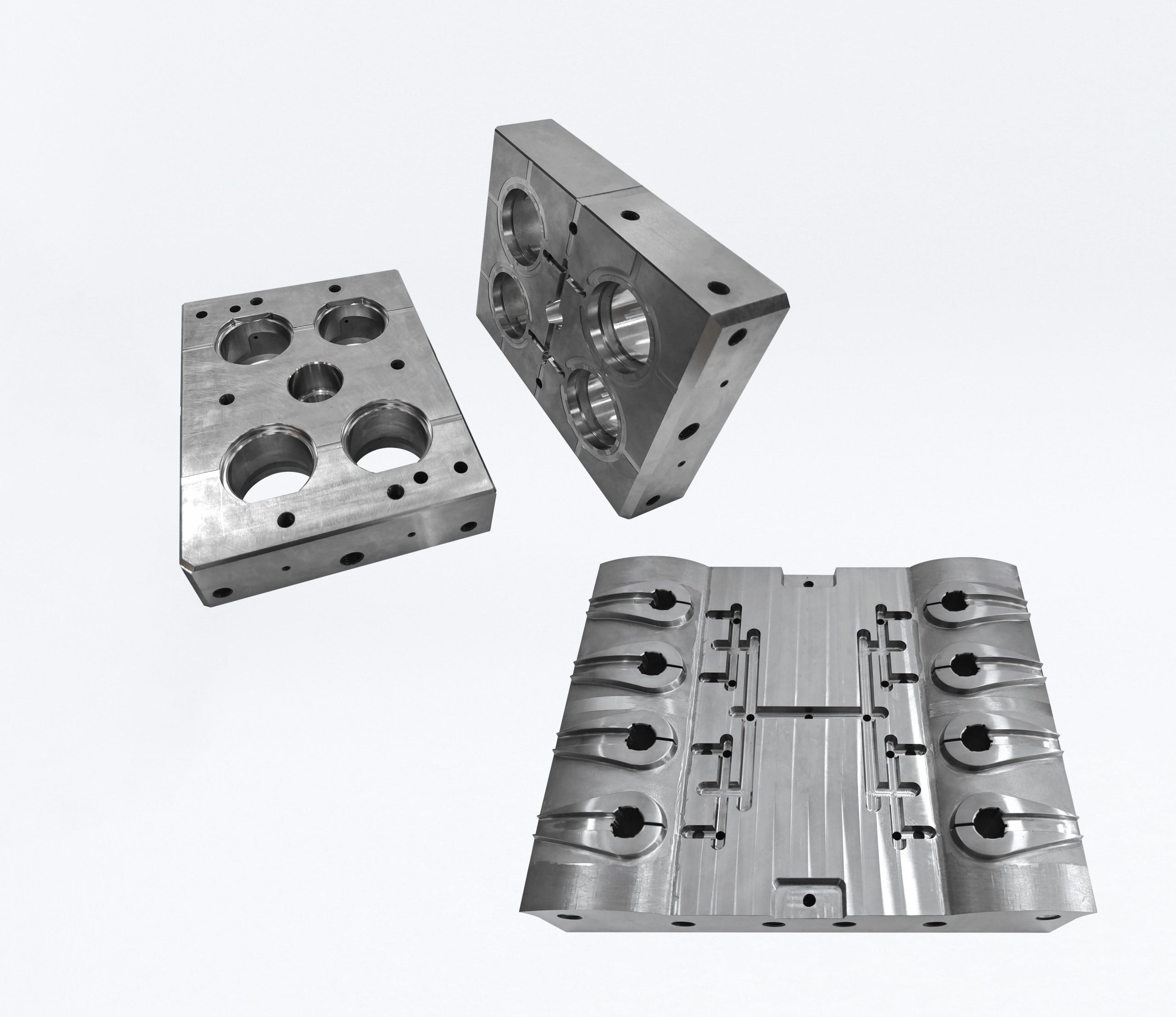
The cost of custom mold inserts depends on several technical factors.
Understanding these factors helps buyers evaluate supplier quotations more effectively.
| Cost Factor | Impact on Price |
|---|---|
| Material Selection | Premium tool steels increase material cost |
| Insert Size | Larger inserts require more machining time |
| Geometry Complexity | Deep cavities and tight features increase processing difficulty |
| Tolerance Requirements | Higher precision requires additional inspection and machining |
| Surface Finish | Polishing and texturing add extra processing steps |
| Quantity | Multiple inserts can reduce average production cost |
The lowest quotation is not always the best option. Low-cost inserts may create additional expenses through:
- Mold downtime
- Frequent replacement
- Production delays
- Quality issues
A reliable supplier focuses on total tooling value rather than only initial price.
Common Problems Caused by Poor Quality Mold Inserts
Incorrect Dimensions
Poor machining accuracy can lead to:
- Poor fitting
- Flash defects
- Mold alignment problems
Precision measurement during production helps prevent these issues.
Premature Wear
Low-quality materials or incorrect heat treatment can shorten insert life.
Common symptoms include:
- Surface damage
- Dimensional changes
- Frequent maintenance
Poor Surface Finish
Incorrect polishing or EDM finishing can affect:
- Plastic part appearance
- Mold release
- Production efficiency
For high-quality molded parts, insert surface treatment must match product requirements.
Why Choose an Experienced Injection Mold Inserts Supplier?
A reliable supplier provides more than machining services.
The right partner should support customers with:
- Material recommendations
- DFM feedback
- Manufacturing suggestions
- Quality inspection
- Delivery control
For US mold makers and tooling companies, supplier experience is often more valuable than choosing the lowest-cost option.
An experienced supplier can identify potential problems before manufacturing starts and help reduce unnecessary tooling modifications.
Fentormold specializes in precision Injection Mold Components Manufacturing, including custom mold inserts, sliders, lifters, and other tooling components.
Internal Link:
https://www.fentormold.com/components-manufacturing/
Frequently Asked Questions About Injection Mold Inserts
1. What Are Injection Mold Inserts Used For?
Injection mold inserts are used to create specific features inside injection molds, such as cavities, cores, ribs, textures, and complex geometries.
They also allow mold makers to replace damaged areas without rebuilding the entire mold, which helps reduce maintenance time and production costs.
2. What Materials Are Commonly Used for Injection Mold Inserts?
Common materials include S136, H13, P20, 718H, and SKD11 tool steels.
The best material depends on factors such as:
- Plastic resin type
- Production volume
- Wear requirements
- Surface finish requirements
For example, inserts used with glass-filled engineering plastics usually require higher wear resistance compared with standard PP or ABS applications.
3. How Accurate Are Precision Mold Inserts?
The required accuracy depends on the mold application and part requirements.
Many precision mold inserts require dimensional tolerances around ±0.01 mm, while high-precision applications may require tighter control.
Accurate machining and inspection are essential to ensure proper mold fitting and stable production.
4. Can Damaged Mold Inserts Be Replaced?
Yes. Replaceable mold inserts are designed to simplify mold maintenance.
Instead of repairing or rebuilding the entire mold, manufacturers can replace only the damaged insert.
This approach is commonly used for:
- High-volume production molds
- Multi-cavity molds
- Complex tooling applications
5. How Do I Choose the Right Injection Mold Inserts Supplier?
A reliable supplier should have:
- Precision machining capability
- Experience with mold steel selection
- CNC and EDM equipment
- Quality inspection systems
- Experience with injection molding applications
It is also important to choose a supplier that understands mold manufacturing requirements instead of only providing machining services.
Conclusion
Choosing the right Injection Mold Inserts supplier plays an important role in improving mold performance, reducing maintenance costs, and maintaining stable production quality.
A qualified supplier should provide not only precision machining but also engineering support, material recommendations, quality control, and manufacturing experience.
For companies sourcing mold components from overseas, supplier capability, communication, and quality consistency are key factors for long-term cooperation.
Fentormold provides precision injection mold components manufacturing services, including custom mold inserts, sliders, lifters, and other high-precision tooling components.
Our engineering team can support your project with material selection, DFM feedback, and manufacturing solutions for your injection molding applications.