
Introduction
Injection Mold Slider Manufacturing is the process of producing precision mold components used to create side features, undercuts, and complex geometries that cannot be released through a standard mold opening direction.
A properly manufactured slider ensures smooth mold operation, accurate part dimensions, and stable production performance. For mold manufacturers and tooling buyers, slider quality directly affects mold life, maintenance frequency, and overall production cost.
When outsourcing injection mold slider manufacturing, buyers should evaluate several factors, including material selection, machining capability, surface treatment, inspection standards, and supplier experience.
Fentormold provides precision tooling component manufacturing services, including custom sliders, inserts, and other mold parts for injection molding applications. Learn more about our Injection Mold Components Manufacturing capabilities.
👉 Internal Link:
https://www.fentormold.com/components-manufacturing/
Image 1: Hero Image
Filename:injection-mold-slider-manufacturing-guide.jpg
Title:
Injection Mold Slider Manufacturing Guide
Alt Text:
Precision injection mold slider component manufactured for plastic injection tooling
Caption:
A precision injection mold slider is a critical tooling component used to create side actions and undercuts in plastic injection molds.
Description:
This image shows a precision-machined injection mold slider component used in mold manufacturing. High-quality slider components require accurate machining, proper material selection, and strict quality control to ensure smooth operation and long service life.
Important Points to Know
- Injection mold sliders allow manufacturers to produce plastic parts with side undercuts and complex features.
- Material selection affects slider durability, wear resistance, and mold service life.
- CNC machining, EDM, grinding, and heat treatment are essential processes for high-quality sliders.
- Accurate inspection ensures proper assembly and prevents mold failures.
- Selecting an experienced mold component supplier reduces production risks and maintenance costs.
What Is an Injection Mold Slider?
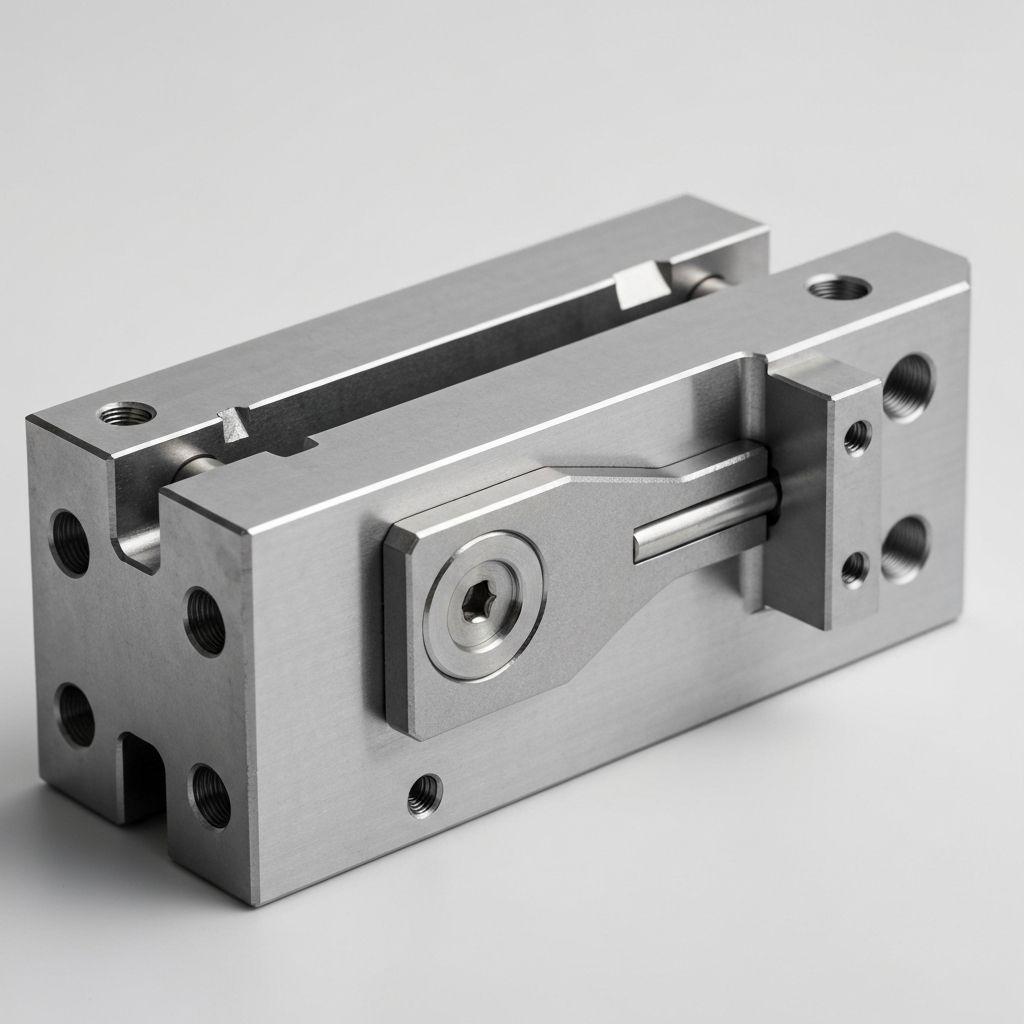
An injection mold slider is a movable mold component designed to create features that cannot be molded through a normal vertical opening direction.
During the injection molding process, the slider moves horizontally or at an angle to release side features after the plastic part has cooled.
A typical slider assembly includes:
- Slider body
- Slider core
- Angle pin
- Guide rail
- Wear plate
- Locking wedge
The slider mechanism converts the mold opening movement into side movement, allowing the mold to produce:
- Side holes
- Internal hooks
- Snap structures
- Undercuts
- Complex side surfaces
Without a slider mechanism, many plastic parts would require additional assembly operations or a more complicated mold structure.
In actual mold production, many failures happen because slider movement, clearance, and material selection are not considered carefully during manufacturing. Precision machining and proper fitting are critical for long-term reliability.
Image 2: Slider Working Principle
Filename:injection-mold-slider-mechanism-diagram.jpg
Title:
How Injection Mold Slider Mechanism Works
Alt Text:
Injection mold slider mechanism showing side core movement during mold opening
Caption:
Injection mold sliders use angle pins and guide systems to move the side core and release undercuts during mold opening.
Description:
This diagram explains the working principle of an injection mold slider. The angle pin drives the slider movement, allowing the side core to separate from the molded part before ejection.
Types of Injection Mold Sliders
Different applications require different slider structures. The selection depends on part design, mold size, production volume, and required movement distance.
Standard Injection Mold Slider
Standard sliders are the most common type used in plastic injection molds.
They are usually composed of:
- Slider body
- Replaceable core insert
- Angle pin
- Wear plate
- Locking block
This design provides reliable side-core movement and is widely used in automotive, electronics, and consumer product molds.
Internal Injection Mold Slider
Internal sliders are used when the required side movement occurs inside the product structure.
They are commonly applied for:
- Internal hooks
- Hidden undercuts
- Compact plastic parts
Because internal sliders have limited installation space, they require higher machining accuracy and careful assembly control.
Hydraulic Injection Mold Slider
Hydraulic sliders use hydraulic cylinders instead of traditional angle pins.
They are suitable for:
- Large injection molds
- Long stroke movements
- Heavy side cores
Although hydraulic systems increase tooling costs, they provide greater design flexibility for complex molds.
Materials Used for Injection Mold Slider Manufacturing
Material selection is one of the most important factors in injection mold slider manufacturing. A slider must withstand repeated mechanical movement, friction, injection pressure, and continuous production cycles.
The wrong material choice can lead to:
- Excessive wear
- Slider sticking
- Poor fitting accuracy
- Short mold life
- Increased maintenance costs
For this reason, professional mold component suppliers usually select tool steels based on production requirements, plastic material characteristics, and expected mold lifetime.
Common Steel Materials for Injection Mold Sliders
| Material | Main Features | Typical Applications |
|---|---|---|
| S136 Stainless Steel | Excellent corrosion resistance and polishing performance | High-quality appearance molds, medical parts, optical components |
| H13 / SKD61 | High toughness and heat resistance | High-temperature applications and long-life molds |
| P20 / 718H | Good machinability and balanced performance | General injection molds and medium production volumes |
| SKD11 | High wear resistance and hardness | High-friction slider components |
For high-volume injection molds, hardened steels are often preferred because sliders experience continuous sliding friction during production.
For example, automotive molds or precision electronic molds may require stronger wear resistance compared with low-volume prototype tooling.
How Steel Selection Affects Slider Performance
The material of the slider directly influences:
Wear Resistance
Sliders move thousands or millions of times during production. A wear-resistant material helps maintain accurate movement clearance.
Surface Finish
Some plastic parts require smooth or textured surfaces. Better steel quality allows more consistent polishing and surface treatment.
Mold Service Life
A properly selected slider material reduces replacement frequency and minimizes production downtime.
Before manufacturing, engineers should review product requirements, expected production volume, and mold structure to select the most suitable steel grade.
For more information about mold materials, you can also read our guide:
👉 Internal Link:
10 Best Injection Molding Materials for High Quality Parts
(添加对应文章链接)
Injection Mold Slider Manufacturing Process
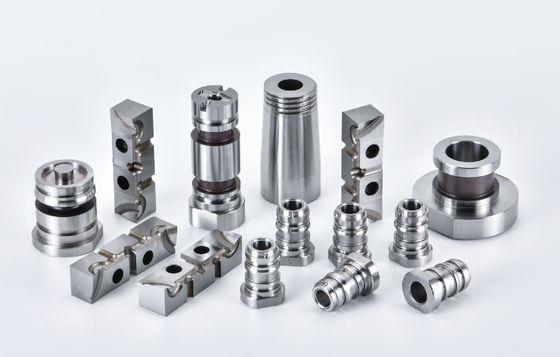
High-quality injection mold sliders require multiple precision manufacturing processes. Unlike standard machined parts, mold sliders need extremely accurate fitting because even small dimensional errors can affect mold operation.
The typical manufacturing process includes:
CNC Machining
CNC machining is the first major step in slider manufacturing.
During this process, manufacturers create:
- Slider body geometry
- Guide surfaces
- Mounting holes
- Core structures
High-precision CNC machining helps achieve stable dimensions and reduces additional finishing work.
Heat Treatment
Heat treatment improves the hardness and wear resistance of slider components.
Common processes include:
- Vacuum heat treatment
- Hardening
- Tempering
The correct hardness level depends on material selection and mold requirements.
Excessive hardness may reduce toughness, while insufficient hardness can accelerate wear.
EDM Machining
Electrical discharge machining (EDM) is commonly used for complex slider features that cannot be produced efficiently through CNC machining.
EDM is suitable for:
- Sharp corners
- Deep grooves
- Complex profiles
- Hardened steel machining
This process is especially important for precision mold components with complicated geometries.
Surface Grinding and Fitting
After machining and heat treatment, precision grinding ensures:
- Accurate dimensions
- Smooth movement
- Proper clearance
During final assembly, experienced technicians check slider movement manually to confirm smooth operation.
In actual mold production, many slider failures are caused not by the design itself, but by insufficient fitting accuracy or poor surface finishing.
Image 3: Manufacturing Process Image
Filename:injection-mold-slider-manufacturing-process.jpg
Title:
Injection Mold Slider Manufacturing Process
Alt Text:
CNC machining and EDM process for manufacturing injection mold slider components
Caption:
Precision injection mold sliders require CNC machining, EDM, grinding, and inspection to achieve reliable performance.
Description:
This image shows the manufacturing process of injection mold slider components, including precision machining and quality inspection. Advanced manufacturing equipment helps ensure accurate dimensions and consistent mold performance.
Quality Requirements for Precision Injection Mold Sliders
For mold manufacturers and buyers, slider quality inspection is essential before assembly.
Important inspection items include:
Dimensional Accuracy
Slider dimensions must match the mold design requirements.
Common inspection methods include:
- CMM measurement
- Micrometer inspection
- Height gauge measurement
Incorrect dimensions may cause:
- Flash problems
- Poor parting accuracy
- Slider movement failure
Hardness Testing
Hardness testing confirms whether the heat treatment process meets requirements.
A proper hardness range ensures:
- Wear resistance
- Mechanical strength
- Long service life
Surface Finish Inspection
The slider contact surfaces require proper finishing to reduce friction and prevent sticking.
Surface quality affects:
- Sliding performance
- Maintenance frequency
- Mold stability
How to Choose an Injection Mold Slider Supplier
Choosing the right supplier is critical for companies outsourcing mold components.
A qualified slider manufacturer should provide:
Precision Manufacturing Capability
Check whether the supplier has:
- CNC machining equipment
- EDM capability
- Grinding machines
- Inspection equipment
A supplier with complete manufacturing capability can better control quality and delivery time.
Material Control
Professional suppliers should provide:
- Material certificates
- Steel traceability
- Heat treatment records
This helps buyers confirm component reliability.
Experience With Injection Mold Components
Slider manufacturing requires practical mold experience.
A supplier should understand:
- Mold structure
- Slider fitting requirements
- Wear problems
- Assembly conditions
A machining company without mold experience may produce parts that meet drawings but fail during mold assembly.
Delivery and Replacement Support
For overseas mold manufacturers, reliable communication and replacement support are also important.
Fast response for replacement components can reduce production interruptions.
Fentormold provides custom mold components manufacturing services for global customers, including precision sliders, inserts, and other tooling components.
👉 Internal Link:
Injection Mold Slider Cost Factors
The cost of an injection mold slider depends on several factors, including material, size, complexity, machining requirements, and quantity.
Unlike standard mechanical parts, mold sliders require precision manufacturing and accurate fitting. Therefore, the lowest price is not always the best option because poor-quality sliders can increase mold maintenance costs.
Material Selection
Steel type has a direct impact on slider cost.
For example:
- Standard mold steel such as P20 or 718H is suitable for general applications.
- Hardened tool steels such as S136 or H13 provide longer service life but require higher processing costs.
The correct material choice depends on:
- Production volume
- Plastic material
- Mold life requirements
- Surface finish requirements
Slider Size and Structure Complexity
Large sliders usually require:
- More raw material
- Longer machining time
- More complicated heat treatment
- Additional finishing work
Complex structures such as internal sliders or hydraulic sliders also increase manufacturing difficulty.
Machining Accuracy Requirements
Higher precision requirements increase manufacturing costs.
Factors affecting cost include:
- Tight tolerances
- Complex profiles
- EDM requirements
- Surface finishing requirements
For precision injection molds, accurate slider manufacturing can prevent future problems such as flash, sticking, and uneven wear.
Quantity and Production Planning
Ordering multiple slider components together can reduce average manufacturing costs because:
- Material preparation becomes more efficient
- Programming costs are shared
- Production scheduling is optimized
For mold manufacturers that frequently outsource components, establishing a reliable supplier relationship can provide better long-term cost control.
Common Injection Mold Slider Problems and Solutions
Even with proper design, slider problems may occur during mold operation. Understanding common issues helps prevent production delays.
Slider Sticking
Possible Causes:
- Insufficient lubrication
- Poor surface finish
- Incorrect clearance
- Material wear
Solutions:
- Improve surface finishing
- Check slider fitting accuracy
- Use appropriate lubrication
- Replace worn wear plates
Excessive Slider Wear
Possible Causes:
- Incorrect steel selection
- High production cycles
- Excessive friction
Solutions:
- Use higher wear-resistant materials
- Improve heat treatment
- Add replaceable wear components
Slider Flash Problems
Possible Causes:
- Poor slider fitting
- Incorrect locking structure
- Manufacturing tolerance errors
Solutions:
- Recheck slider dimensions
- Improve mold fitting
- Adjust locking surfaces
Slider Movement Failure
Possible Causes:
- Incorrect angle pin design
- Insufficient lubrication
- Foreign particles inside the mechanism
Solutions:
- Inspect guide systems
- Clean slider components
- Verify assembly conditions
Injection Mold Slider vs Lifter: What Is the Difference?
Although sliders and lifters both solve undercut problems, they work differently.
| Feature | Slider | Lifter |
|---|---|---|
| Movement Direction | Horizontal or angled movement | Angled movement during ejection |
| Main Function | Side core pulling | Internal undercut release |
| Driving Method | Angle pin or hydraulic system | Ejector system |
| Common Application | Side holes and external undercuts | Internal hooks and ribs |
Choosing between a slider and lifter depends on the product structure and mold design requirements.
For complex molds, engineers usually evaluate the best mechanism during the DFM stage before tooling starts.
You can also learn more about injection mold design considerations in our related guide:
👉 Internal Link:
Injection Mold Design Guide
(添加对应文章链接)
Frequently Asked Questions About Injection Mold Slider Manufacturing
What material is commonly used for injection mold sliders?
Common slider materials include S136, H13, SKD61, P20, and 718H. The best choice depends on mold life requirements, production volume, and application conditions.
How accurate should an injection mold slider be?
Precision requirements depend on mold structure, but high-quality sliders usually require tight dimensional control to ensure smooth movement and proper part fitting.
How long does it take to manufacture an injection mold slider?
The lead time depends on size, complexity, material, heat treatment requirements, and quantity. Simple sliders may require several days, while complex precision components require longer processing time.
Can injection mold sliders be replaced separately?
Yes. Many slider components are designed as replaceable parts, especially wear plates and slider cores. This helps reduce maintenance costs during long-term production.
What should I check when buying injection mold sliders?
Important factors include:
- Material certification
- Machining capability
- Inspection process
- Surface finish
- Supplier experience with injection mold components
Conclusion
Injection mold sliders are critical components for producing plastic parts with complex side features and undercuts. Their performance depends on proper material selection, precision machining, heat treatment, and accurate assembly.
For companies outsourcing mold components, choosing an experienced supplier is essential to ensure reliable quality, shorter maintenance cycles, and stable mold production.
Fentormold provides custom injection mold component manufacturing services, including precision sliders, inserts, and other tooling parts for customers worldwide.
Need support selecting the right mold components for your project? Our engineering team can provide manufacturing recommendations and precision tooling solutions.
👉 Learn more about our Injection Mold Components Manufacturing service: