
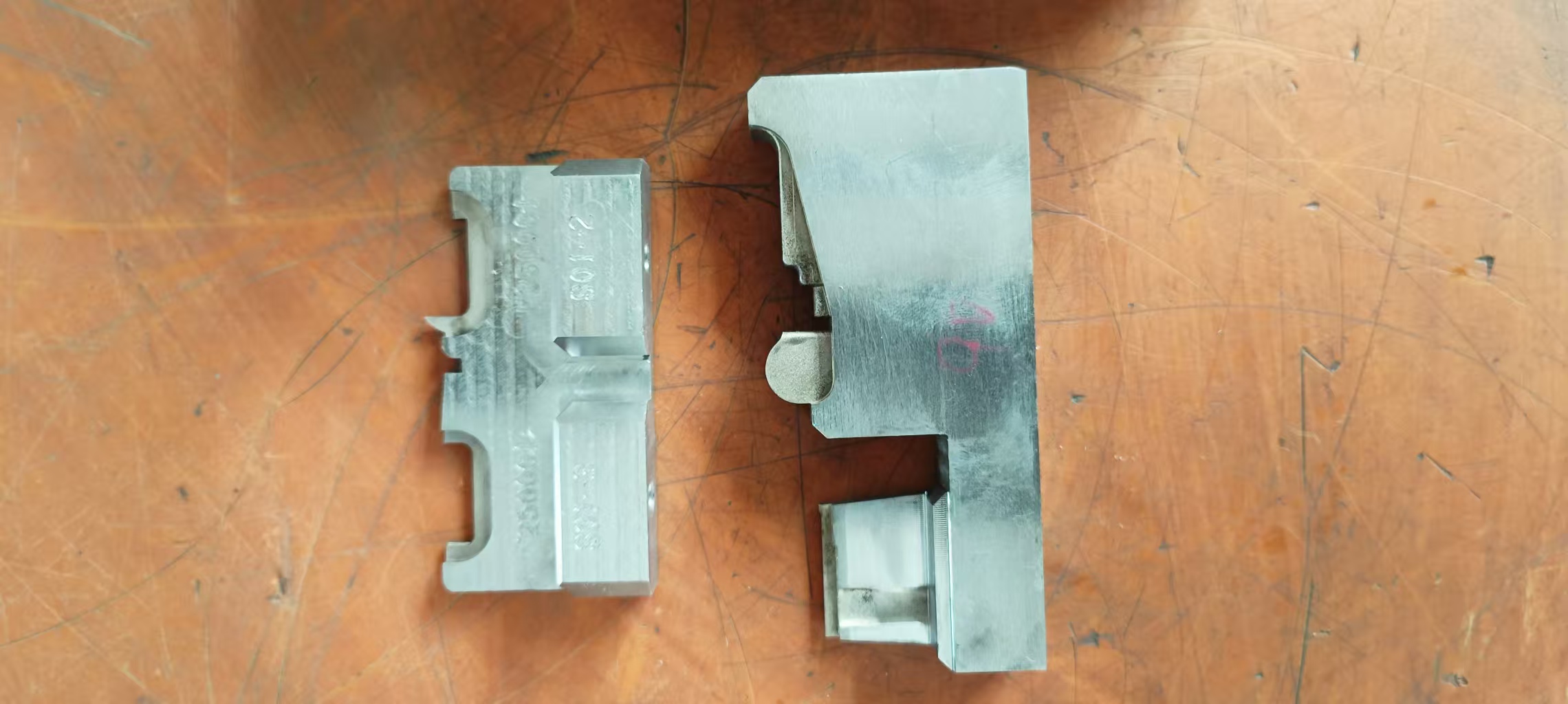
Injection mold slide jamming can stop production and damage mold components. It may also cause flash, dimensional changes, and surface defects.
A slider may become difficult to move for several reasons. For example, poor lubrication, wear, incorrect clearance, misalignment, dirt, and thermal expansion can all cause problems.
So, why does injection mold slide jamming happen?
In most cases, friction or resistance becomes too high. As a result, the slider can no longer move freely. Finding the cause early can prevent further wear and production downtime.
This guide explains the common causes of injection mold slide jamming. It also shows how to fix a jammed slider and prevent the problem from returning.
What Is an Injection Mold Slide Mechanism?
An injection mold slide is also called a slider or side-action mechanism.
It forms features that cannot release in the normal mold-opening direction. For example, sliders are often used for:
- Side undercuts
- Side holes
- Snap-fit features
- External grooves
- Automotive plastic parts
- Electronic housings
- Industrial plastic parts
During mold opening, the slider moves sideways. Therefore, it clears the undercut before the part is ejected.
A typical slide assembly may include:
- Slider body
- Angle pin
- Wear plates
- Guide rails
- Heel block or locking block
- Return spring
- Stop or positioning components
For complex slider structures, Fentor Mold provides custom injection mold manufacturing from DFM and mold design through machining, trial, and delivery.
8 Common Causes of Injection Mold Slide Jamming
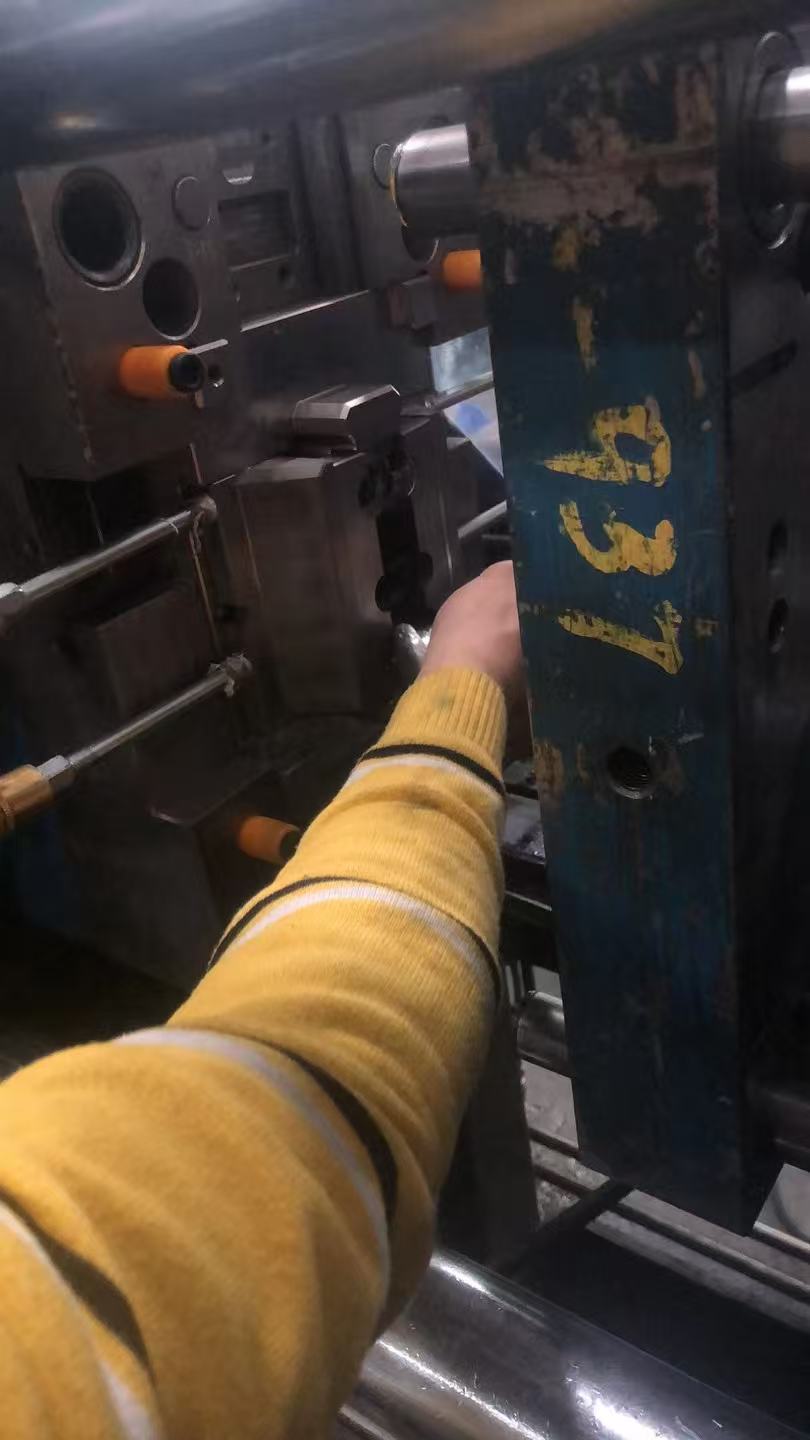
Understanding the cause is the first step in preventing injection mold slide jamming.
1. Poor or Insufficient Lubrication
Lubrication reduces friction between moving surfaces.
Without enough lubricant, friction increases. In addition, repeated movement can damage the contact surfaces.
Common results include:
- Galling
- Scoring
- Increased sliding resistance
- Abnormal noise
- Slide sticking
The lubricant should match the mold temperature and sliding materials.
However, too much grease can also cause problems. It may collect dust, plastic residue, and metal particles.
Therefore, the goal is correct lubrication rather than simply adding more grease.
2. Wear on Wear Plates and Guide Surfaces
Injection molds may run for hundreds of thousands of cycles. Therefore, some wear is unavoidable.
Common wear locations include:
- Wear plates
- Guide rails
- Guide pins
- Bushings
- Locking surfaces
- Angle pin contact areas
As these surfaces wear, the slider may lose its original alignment.
In addition, the fitting clearance may change.
This can cause:
- Uneven movement
- Flash
- Shutoff problems
- Increased friction
- Slide jamming
Replaceable wear plates make maintenance easier. Instead of rebuilding the complete slider, the damaged wear part can often be replaced.
3. Incorrect Slide Clearance
Slide clearance has a major effect on movement.
If the clearance is too tight, the slider may bind after the mold becomes hot.
By contrast, too much clearance can make the slider unstable. It may also cause flash.
The correct clearance depends on:
- Mold steel
- Slider size
- Mold temperature
- Surface finish
- Part requirements
- Expected wear
- Machining tolerance
Therefore, clearance should be defined during mold design. It should also be checked during fitting and mold trials.
4. Slide Misalignment
Misalignment creates uneven contact.
As a result, friction can increase quickly.
Possible causes include:
- Machining errors
- Assembly errors
- Uneven wear
- Damaged guide components
- Mold plate deformation
- Incorrect fitting
A slightly misaligned slider may work during early trials. However, it may become harder to move after more production cycles.
Therefore, engineers should check the contact pattern during maintenance. Adding grease alone may not solve the problem.
5. Flash and Foreign Material
Even small particles can affect slider movement.
Common contaminants include:
- Plastic flash
- Resin residue
- Metal particles
- Grinding debris
- Dust
- Dirty grease
Once this material enters the guide surfaces, friction increases.
In particular, flash around the slider shutoff can create repeated problems. Over time, plastic residue may enter the moving area and cause injection mold slide jamming.
6. Excessive Side Load on the Angle Pin
Many mechanical sliders use an angle pin for movement.
However, an incorrect design may create too much side load. As a result, the angle pin and guide surfaces can wear faster.
The correct angle depends on:
- Required slide stroke
- Slider size
- Available mold space
- Angle pin diameter
- Material
- Injection force
- Locking requirements
Therefore, there is no single angle that works for every mold.
The angle pin, guide surfaces, and locking system should work together. Each component must carry the expected load safely.
7. Thermal Expansion
A slider may move freely when the mold is cold. However, it can become tight after the mold reaches production temperature.
Thermal expansion may affect:
- Slide clearance
- Guide surfaces
- Wear plates
- Locking components
- Mold plates
This problem becomes more serious when the original clearance is very small.
In addition, nearby hot areas can create uneven temperatures.
Therefore, cooling and slider clearance should be considered together.
8. Worn Locking Surfaces
The locking structure keeps the slider in position during injection.
Depending on the mold, it may use:
- Heel blocks
- Locking blocks
- Wedge surfaces
- Other supporting surfaces
If these areas become worn, the slider may move under injection pressure.
As a result, the mold may develop:
- Flash
- Parting-line mismatch
- Slider movement
- Increased wear
- Locking surface damage
Therefore, repeated flash around the slider shutoff is a warning sign. The locking surfaces should be checked.
How to Fix Injection Mold Slide Jamming
When a slider jams during production, do not force the mold open or closed.
Too much machine force can damage the angle pin, wear plates, guide surfaces, locking blocks, or mold plates.
Instead, use a simple troubleshooting process.
Step 1: Stop the Machine
First, stop production.
Then identify when the slider becomes stuck.
Does it happen during:
- Mold opening?
- Mold closing?
- Slide retraction?
- Slide advance?
- Ejection?
This information can help narrow down the cause.
Step 2: Check for Obstructions
Next, inspect the slider area.
Look for:
- Flash
- Plastic residue
- Metal particles
- Broken components
- Foreign material
If contamination is present, remove it before moving the slider again.
Step 3: Check Lubrication
Then inspect the lubrication.
Look for:
- Dry surfaces
- Burnt grease
- Dirty grease
- Uneven lubrication
- Excess grease
Clean the contact surfaces if needed. After that, apply the correct mold lubricant.
Step 4: Inspect Wear Parts
Next, inspect the main moving components.
Check:
- Wear plates
- Guide rails
- Angle pins
- Bushings
- Locking surfaces
Look for scoring, galling, cracks, deformation, or uneven wear.
Step 5: Check Alignment and Clearance
If lubrication and contamination are not the cause, check the slider fitting.
Verify:
- Slider alignment
- Guide surface contact
- Clearance
- Wear plate condition
- Locking surface position
However, do not simply increase the clearance. First, find out why the slider is sticking.
Step 6: Repair Damaged Parts
Minor surface damage may sometimes be repaired by careful stoning or polishing.
However, badly worn parts should normally be replaced.
Most importantly, the repair must keep the original dimensions and functional tolerances.
Injection Mold Slide Jamming Troubleshooting Matrix
| Symptom | Possible Cause | Recommended Action |
|---|---|---|
| Slide is difficult to move | Poor lubrication | Clean and relubricate |
| Slide sticks when hot | Insufficient thermal clearance | Check fitting and mold temperature |
| Galling on wear surfaces | High friction | Check wear surfaces and lubrication |
| Flash around slider | Worn shutoff or locking surface | Repair the fitting |
| Jerky movement | Dirt or misalignment | Clean and check alignment |
| Angle pin wear | Excessive side load | Review slider design |
| Slide does not fully retract | Return problem or obstruction | Check spring, stop, and slide path |
| Repeated failure | Design problem | Review the complete mechanism |
Therefore, repeated injection mold slide jamming should not be treated as a simple lubrication issue. A repeated failure often points to a deeper fitting or design problem.
How to Prevent Injection Mold Slide Jamming
Prevention should start during mold design. However, regular maintenance is also important.
Use Suitable Wear Plates
Wear plates protect the main slider surfaces.
Depending on the application, common options include:
- Hardened steel
- Bronze-based materials
- Self-lubricating materials
- Other wear-resistant materials
The material should match:
- Load
- Sliding speed
- Temperature
- Lubrication method
- Expected mold life
Therefore, one wear plate material is not suitable for every mold.
Provide Good Lubrication
Lubrication points should be easy to reach.
In addition, the maintenance interval should consider:
- Cycle count
- Mold temperature
- Production environment
- Lubricant type
- Slide load
Maintain Correct Clearance
Correct clearance allows smooth movement.
At the same time, the slider must remain stable during injection.
Therefore, clearance should be checked during mold fitting and trial.
Provide Enough Slide Support
Long or heavy sliders need enough support.
Otherwise, the slider may tilt during movement.
Therefore, the guide surfaces should spread the load over enough area.
Keep the Slider Clean
Flash, resin, and metal debris should not build up around the slider.
A clean mechanism has less friction. As a result, wear can also be reduced.
Consider Mold Temperature
Sliders near hot runners or other hot areas may expand more than expected.
Therefore, thermal expansion should be considered during design.
In addition, cooling should keep the slider area at a stable temperature.
How Slider Design Affects Injection Mold Slide Jamming
Good slider design can prevent many production problems.
Slide Stroke
The slider must move far enough to clear the undercut.
Otherwise, the part may hit the slider during ejection.
Guide Length
Enough guide length helps keep the slider straight.
In addition, long or heavy sliders may need extra support.
Locking Structure
The locking structure must resist injection pressure.
The required strength depends on:
- Projected area
- Injection pressure
- Plastic material
- Part geometry
Angle Pin Design
The angle pin must create enough slider travel.
However, it should not create excessive side load.
Therefore, the pin diameter, angle, length, and engagement should be checked together.
Wear Plate Design
Replaceable wear plates protect the main mold parts.
In addition, they make future maintenance easier.
Maintenance Access
A good slider should be easy to inspect and lubricate.
Therefore, engineers should not need to remove large parts of the mold for basic maintenance.
For more information about common side-action structures, see our Lifter vs Slider in Injection Mold guide.
Design vs. Maintenance: Why Injection Mold Slides Fail
Not every failure is caused by poor maintenance.
In some cases, the original design is the real problem.
| Problem | Possible Design Cause | Possible Maintenance Cause |
|---|---|---|
| Slide sticking | Insufficient clearance | Poor lubrication |
| Excessive wear | High side load | Lack of maintenance |
| Flash | Weak shutoff design | Worn locking surfaces |
| Uneven movement | Poor guide support | Contamination |
| Slide damage | Incorrect design | Continued use after wear |
| Incomplete return | Weak return system | Damaged spring or stop |
| Thermal binding | Poor temperature control | Cooling blockage |
Therefore, if the same problem returns after cleaning and replacing parts, the slider design should be reviewed.
When Should an Injection Mold Slider Be Replaced?
A complete slider does not always need replacement.
Often, only the worn components need to be changed.
Consider replacing parts when you find:
- Heavy wear
- Deep scoring
- Damaged wear plates
- Bent angle pins
- Damaged bushings
- Worn locking surfaces
- Excessive clearance
- Repeated flash
However, the whole slider may need redesign when the main body is badly damaged.
A redesign may also be needed if the original mechanism cannot work reliably after repair.
How DFM Can Prevent Injection Mold Slide Jamming
The best time to prevent injection mold slide jamming is before mold manufacturing starts.
During DFM, engineers can review:
- Undercut locations
- Slide stroke
- Slider size
- Angle pin position
- Locking structure
- Wear plate design
- Cooling
- Clearance
- Ejection sequence
- Maintenance access
As a result, many interference and movement problems can be found before steel cutting begins.
For more detail about slider manufacturing, see Injection Mold Slider Manufacturing: Cost, Process and Supplier Tips.
Injection Mold Slide Maintenance Checklist
Regular checks can help find problems before production stops.
| Inspection Item | What to Check |
|---|---|
| Lubrication | Grease condition and coverage |
| Wear plates | Scoring and wear |
| Guide surfaces | Damage and alignment |
| Clearance | Too tight or too loose |
| Angle pin | Wear, bending, and lubrication |
| Locking surfaces | Wear and fitting |
| Return mechanism | Smooth retraction |
| Slide shutoff | Flash and mismatch |
| Cooling | Stable slider temperature |
| Cleanliness | Flash, debris, and resin |
The inspection interval should match the mold cycle count and production conditions.
In addition, previous maintenance history should be considered.
If the mold remains at the supplier for mass production, slider inspection should also be included in routine injection molding production maintenance.
Conclusion
Injection mold slide jamming may come from lubrication, wear, incorrect clearance, misalignment, contamination, side load, thermal expansion, or worn locking surfaces.
Therefore, simply adding more grease is not always the answer.
Instead, engineers should find the real cause and inspect the complete slider mechanism.
Reliable slider movement depends on:
- Good mold design
- Correct clearance
- Suitable wear materials
- Proper lubrication
- Enough guide support
- Strong locking
- Stable cooling
- Regular maintenance
For new molds, DFM can identify many slider risks before manufacturing.
For existing molds, regular inspection can reduce downtime and extend component life.
Fentor Mold can review complex slider structures, fitting clearance, locking systems, and maintenance requirements during DFM and mold design.