When designing a hot runner mold, one important decision is the gate type.
The two common options are open gate and valve gate.
Both systems deliver molten plastic from the hot runner nozzle into the cavity. However, they control the plastic flow in different ways.
An open gate uses a fixed flow path. A valve gate uses a valve pin to open and close the gate.
The right choice depends on the product design, material, gate appearance, production volume, and quality requirements.
For custom injection mold manufacturing, Fentor Mold evaluates these factors before selecting the hot runner system.
What Is an Open Gate Hot Runner?
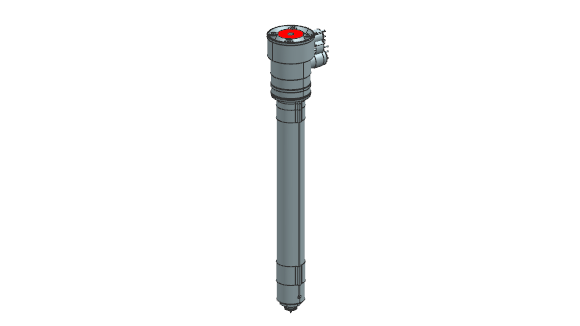
An open gate allows molten plastic to flow continuously through the nozzle into the mold cavity.
The nozzle tip remains open during injection.
The structure is relatively simple.
A typical flow path is:
Injection Machine → Manifold → Nozzle → Open Gate → Cavity
The system does not use a valve pin to shut the gate.
What Is a Valve Gate Hot Runner?
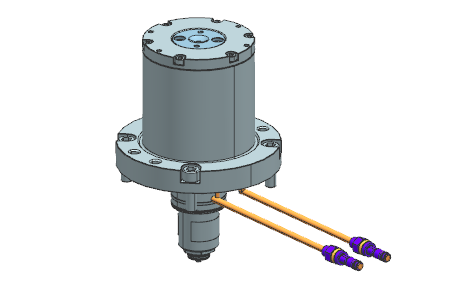
A valve gate uses a valve pin to control the gate.
The pin opens during injection and closes after filling or packing.
The two common valve gate actuation methods are:
- Pneumatic
- Hydraulic
A typical flow path is:
Injection Machine → Manifold → Valve Gate Nozzle → Cavity
The valve pin provides much better control over the gate than an open gate.
Open Gate vs Valve Gate: Main Differences
| Factor | Open Gate | Valve Gate |
|---|---|---|
| Structure | Simple | More complex |
| Cost | Lower | Higher |
| Gate Control | Limited | Excellent |
| Gate Mark | Usually more visible | Usually cleaner |
| Stringing | More likely | Less likely |
| Drooling | More likely | Better controlled |
| Timing Control | Limited | Excellent |
| Maintenance | Easier | More complex |
| Large Parts | Good in suitable designs | Excellent |
| Cosmetic Parts | Depends on application | Usually better |
Advantages of Open Gate
Lower Cost
Open gate systems have fewer components.
They do not need a valve pin or valve actuator.
This makes the hot runner system more economical.
For a simple product with low gate requirements, this can be a major advantage.
Simple Structure
The system has fewer moving parts.
This makes installation and maintenance easier.
It also reduces the number of components that can fail.
Easy Maintenance
Technicians can usually inspect and clean an open nozzle more easily than a valve gate system.
This can be useful for molds that require frequent maintenance.
Disadvantages of Open Gate
Less Gate Control
The gate remains open.
The system cannot mechanically shut off the melt like a valve gate.
This can lead to:
- Stringing
- Drooling
- Gate vestige
- Appearance issues
The actual result depends on the resin, temperature, gate design, and molding conditions.
Gate Appearance
Some products require a very clean gate.
An open gate may leave a larger or less consistent gate mark than a well-designed valve gate.
This matters for visible cosmetic surfaces.
Advantages of Valve Gate
Better Gate Quality
The valve pin physically closes the gate.
This usually creates a cleaner and more consistent gate.
It is useful for cosmetic plastic parts.
Better Flow Control
The controller can determine when the valve pin opens and closes.
This gives engineers more control over the filling process.
For multi-point molds, engineers can also use sequential valve gate control.
Less Stringing and Drooling
The valve pin closes the gate after injection.
This reduces unwanted melt flow from the nozzle.
It can improve automatic production stability.
Better for Large and Complex Parts
Large products often require several injection points.
Valve gates allow engineers to control these gates individually.
This provides more flexibility when managing weld lines and filling balance.
For more information about Fentor Mold’s injection molding production, see our production capabilities.
Pneumatic vs Hydraulic Valve Gate
Valve gates normally use either pneumatic or hydraulic actuation.
Pneumatic Valve Gate
Compressed air moves the valve pin.
Advantages include:
- Clean operation
- Simple system
- Easy control
- Common industrial application
Hydraulic Valve Gate
Hydraulic pressure moves the valve pin.
It can provide strong and stable movement.
It can be useful for larger valve pins and demanding applications.
The choice depends on the mold structure and machine setup.
Which One Gives Better Gate Marks?
In general, a valve gate can provide better gate control and a cleaner gate.
However, the gate mark depends on more than the gate type.
Important factors include:
- Gate diameter
- Gate position
- Plastic material
- Mold temperature
- Injection speed
- Cooling
- Valve pin design
A poor valve gate design can still produce a poor gate mark.
Which One Is Better for Cosmetic Parts?
Valve gate systems are usually the better choice for cosmetic products.
Typical applications include:
- Automotive interior parts
- Consumer electronics
- Cosmetic packaging
- Medical housings
- Visible appliance parts
When the gate must have a controlled appearance, the extra cost of a valve gate can be worthwhile.
Which One Is More Cost-Effective?
It depends on production requirements.
For a simple product with moderate production volume, an open gate can provide excellent value.
For a high-volume product with strict appearance requirements, a valve gate can reduce production problems and improve consistency.
Do not compare only the hot runner purchase price.
Consider the complete cost:
Mold Cost + Production Cost + Material Waste + Maintenance + Quality Risk
When Should You Choose an Open Gate?
Choose an open gate when:
- Product appearance allows the gate mark
- The product has a simple flow path
- Cost is important
- Stringing is not a major concern
- The material works well with the system
- The mold does not need sequential gate control
When Should You Choose a Valve Gate?
Choose a valve gate when:
- Gate appearance is important
- The product has multiple gates
- Sequential filling is required
- Stringing must be minimized
- The product is large or complex
- Production volume is high
- Process consistency is critical
Conclusion
Open gate and valve gate systems both have their place in injection molding.
An open gate offers a simple structure and lower cost. It works well for many standard applications.
A valve gate costs more, but it provides much better control over the gate. It is often the better choice for cosmetic parts, large products, multi-point systems, and demanding production.
The correct choice depends on the product design, material, gate position, quality requirements, and production volume.
Fentor Mold can help evaluate these factors and select a suitable hot runner solution for your mold project. Visit Fentor Mold to learn more about our injection mold engineering and manufacturing services.
FAQ
Is a valve gate better than an open gate?
Not always. A valve gate provides better control and gate quality, but an open gate is simpler and less expensive.
Is an open gate cheaper?
Yes. An open gate usually has fewer components and lower system cost.
Does a valve gate eliminate gate marks?
No. It can reduce and better control the gate mark, but the final result depends on the complete gate and molding design.
What drives a valve gate?
The two common methods are pneumatic and hydraulic actuation.
Which system is better for automotive parts?
Valve gates are often preferred for automotive parts when appearance, multi-point filling, or sequential gate control is important.
Can open gates be used for high-volume production?
Yes. Open gates can work well for high-volume production when the product and material suit the system.
Does a valve gate reduce stringing?
It can significantly reduce stringing because the valve pin closes the gate after injection.