
What Is a Valve Gate Hot Runner System?
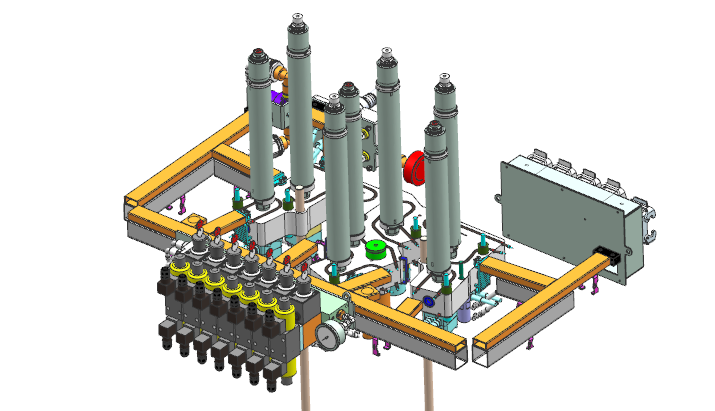
A valve gate hot runner system uses a valve pin to control the flow of molten plastic into the mold cavity.
Unlike an open gate, the valve gate can physically open and close the gate. This gives engineers better control over filling, packing, gate quality, and production timing.
Valve gate systems are common in automotive, medical, electronics, packaging, and other high-volume applications.
For custom injection mold design and manufacturing, Fentor Mold selects the gate type based on the product, material, appearance, and production requirements.
How Does a Valve Gate Work?
The injection machine pushes molten plastic into the hot runner manifold.
The manifold distributes the melt to the valve gate nozzles.
Inside each nozzle, a valve pin moves forward and backward.
During injection:
Valve Pin Open → Plastic Enters Cavity
After filling or packing:
Valve Pin Closed → Gate Shuts Off
The valve pin can move according to the mold’s control system.
This gives the process much better gate control than an open hot runner.
Pneumatic vs Hydraulic Valve Gate
There are two common ways to drive a valve pin:
- Pneumatic
- Hydraulic
Both systems can provide reliable valve gate control when the mold uses the correct design.
Pneumatic Valve Gate
A pneumatic system uses compressed air to move the valve pin.
It is widely used because the system is relatively simple and clean.
Advantages include:
- Simple structure
- Clean operation
- Easy control
- No hydraulic oil around the mold
- Suitable for many standard applications
Pneumatic valve gates work well for many small and medium-size injection molds.
Hydraulic Valve Gate
A hydraulic system uses hydraulic pressure to move the valve pin.
It can provide strong and stable pin movement.
Hydraulic systems can suit larger molds and applications that require higher pin force.
However, they require a hydraulic power source and proper oil management.
The choice between pneumatic and hydraulic actuation depends on the mold design, valve pin size, available equipment, and production requirements.
Why Use a Valve Gate?
Better Gate Appearance
The valve pin closes the gate mechanically.
This can produce a smaller and more consistent gate mark than many open gate designs.
This is important for visible plastic parts.
Better Process Control
The mold can control when each gate opens and closes.
This allows engineers to control the filling sequence.
For multi-point molds, sequential valve gate control can help manage weld lines and flow fronts.
Less Stringing and Drooling
When the valve pin closes the gate, it stops the melt flow.
This can reduce:
- Stringing
- Drooling
- Unwanted material buildup
It also helps keep the mold cleaner during automatic production.
Valve Gate for Multi-Point Molds
Valve gates become especially useful when a product needs several injection points.
For example, a large automotive panel may use several valve gates.
Instead of opening every gate at the same time, the controller can open them in a planned sequence.
A typical sequence may look like:
Gate 1 → Gate 2 → Gate 3 → Gate 4
The exact sequence depends on the product and mold flow analysis.
This approach can help control:
- Weld lines
- Filling balance
- Injection pressure
- Flow fronts
- Surface appearance
You can learn more about Fentor Mold’s mold engineering and case studies for examples of how mold analysis supports complex mold projects.
Valve Gate Design Considerations
A good valve gate system starts with the product design.
Engineers should consider several factors.
Gate Position
The gate should support good filling and avoid critical cosmetic areas when possible.
A poor gate position can create weld lines, air traps, or uneven filling.
Valve Pin Size
The valve pin must match the gate design and plastic flow requirements.
A pin that is too small may restrict flow.
A pin that is too large may increase the gate mark or affect the product surface.
Hot Runner Temperature
Temperature must remain stable throughout the manifold and nozzle.
Too low a temperature can increase pressure and cause poor filling.
Too high a temperature can cause material degradation.
Valve Pin Timing
The opening and closing timing affects the filling process.
For multi-point molds, timing becomes even more important.
Engineers should use mold flow analysis and actual molding trials to optimize the sequence.
Valve Gate vs Open Gate
| Feature | Valve Gate | Open Gate |
|---|---|---|
| Gate Control | Excellent | Limited |
| Gate Closing | Mechanical | No valve pin |
| Gate Appearance | Usually better | Depends on design |
| Stringing | Lower | Higher risk |
| Sequential Filling | Possible | Limited |
| Cost | Higher | Lower |
| Maintenance | More complex | Simpler |
| Large Multi-Point Parts | Excellent | Depends on application |
A valve gate costs more, but it provides more control.
An open gate remains a good choice when the product does not need precise gate control.
For a detailed comparison, see our guide to Open Gate vs Valve Gate Hot Runner Systems.
Common Applications
Valve gate systems are widely used for demanding injection molding applications.
Automotive
- Interior trim
- Instrument panels
- Door panels
- Exterior components
Medical
- Medical housings
- Laboratory products
- Disposable medical components
Electronics
- Consumer electronics
- Large housings
- Precision components
Packaging
- Cosmetic packaging
- Thin-wall containers
- High-volume packaging
These applications often need good appearance, stable production, and accurate gate control.
Common Valve Gate Problems
A valve gate system can still have problems if the design or maintenance is poor.
Common issues include:
Valve Pin Wear
A worn pin can affect gate shut-off and gate appearance.
Gate Leakage
Poor sealing or incorrect assembly can cause plastic leakage around the gate.
Pin Movement Problems
Incorrect air or hydraulic pressure can prevent the valve pin from moving correctly.
Uneven Gate Timing
Different gate timing can affect filling balance and weld line position.
Gate Damage
Incorrect installation or excessive force can damage the gate area.
Regular inspection can prevent many of these problems.
How to Maintain a Valve Gate System
Good maintenance helps extend hot runner life.
Check:
- Valve pin movement
- Heater condition
- Thermocouples
- Wiring
- Gate condition
- Manifold temperature
- Pneumatic or hydraulic pressure
During mold maintenance, clean the nozzle and gate area carefully.
Do not force a stuck valve pin.
Find the cause before moving or replacing the component.
Is a Valve Gate Worth the Cost?
The answer depends on the project.
A valve gate is often worth the additional investment when you need:
- High production volume
- Clean gate appearance
- Multiple injection points
- Sequential filling
- Stable automatic production
- Better process control
For a simple low-volume product, an open gate may provide better value.
The goal is not to choose the most expensive system.
The goal is to choose the system that meets the product and production requirements.
Conclusion
A valve gate hot runner system provides excellent control over molten plastic flow.
Its biggest advantage is the ability to open and close each gate mechanically.
Pneumatic and hydraulic systems are the two common valve gate actuation methods. Both can work well when engineers select the correct system for the mold.
For large, cosmetic, high-volume, and multi-point injection molds, valve gates often provide significant advantages over open gates.
At Fentor Mold, we focus on practical mold design based on product geometry, material, production volume, and quality requirements.
If you are planning a new injection mold, our engineering team can help evaluate the hot runner and valve gate options before mold construction.
FAQ
What is a valve gate hot runner?
It is a hot runner system that uses a valve pin to control the flow of molten plastic into the mold cavity.
What are the two common valve gate systems?
The two common systems are pneumatic valve gate and hydraulic valve gate.
Which is better, pneumatic or hydraulic valve gate?
Neither is always better. The choice depends on valve pin size, mold design, available equipment, and production requirements.
Does a valve gate eliminate stringing?
It can greatly reduce stringing because the valve pin closes the gate after injection.
Can valve gates be used for multi-point hot runners?
Yes. Valve gates work very well for multi-point systems and can support sequential gate control.
Are valve gate molds expensive?
They usually cost more than open gate systems because they require valve pins and actuation components. However, the higher cost can be justified for demanding production applications.
Does a valve gate improve the gate mark?
It can provide better and more consistent gate quality, but the final result also depends on gate design, material, temperature, and molding conditions.