Choosing the right two shot injection molding company can have a major impact on tooling cost, product quality, development time, and long-term production stability. Two-shot molding is more demanding than conventional single-shot injection molding because the mold, machine, materials, and part design all need to work together.
For procurement teams, the lowest quotation is not always the best choice. A supplier may offer an attractive tooling price but lack the engineering experience needed to control two-shot mold design, material bonding, dimensional tolerances, or production consistency.
The better approach is to evaluate the supplier before placing the mold order. This guide explains the main factors to consider when comparing a two shot injection molding company, from engineering capability and material selection to quality control, cost, and communication.
What Does a Two Shot Injection Molding Company Do?
A two shot injection molding company produces plastic parts using two injection materials or two colors within the same molding cycle. Depending on the application, the two materials can create a functional bond, a soft-touch surface, a two-color appearance, or different performance characteristics within one component.
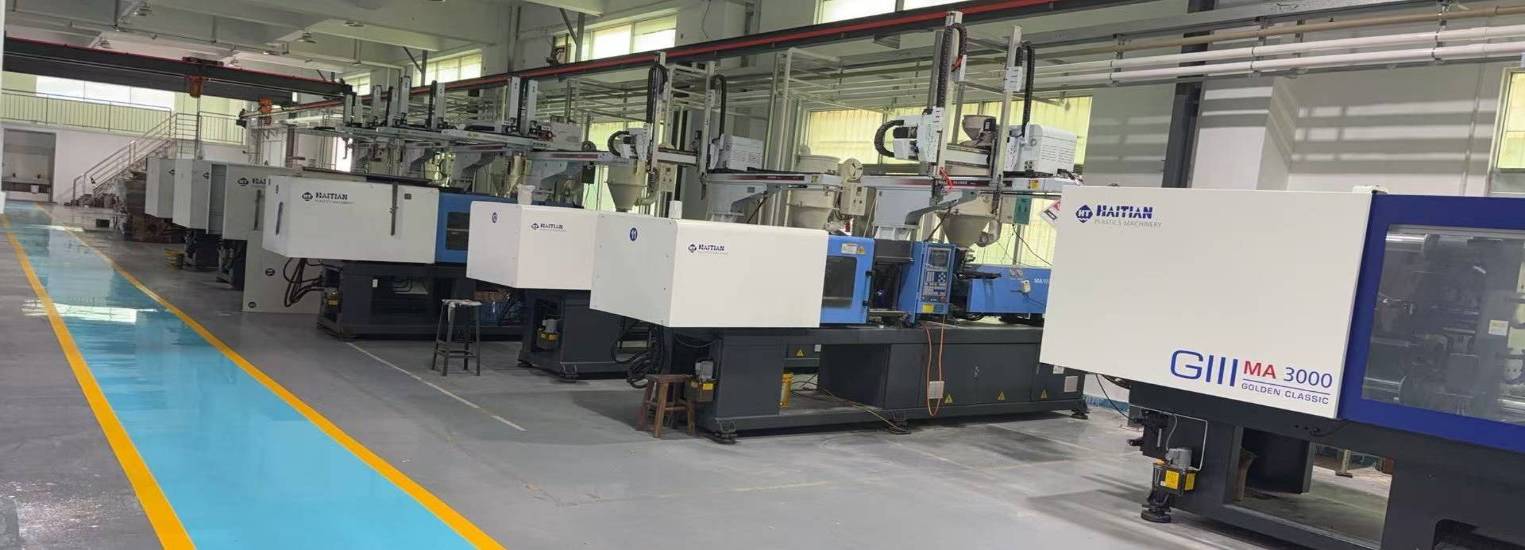
The process normally requires a specialized mold and an injection molding machine capable of handling two injection operations. The mold design must also account for part transfer, alignment, sealing, cooling, gating, and ejection.
For a buyer, this means the supplier should not only know how to build molds. It should also understand how the product will behave during both shots.
A capable supplier should be able to review your 3D model and drawings, identify potential molding problems, recommend suitable materials, and explain how the mold will operate before manufacturing begins.
If you are looking for a supplier that can support both tooling and production, you can learn more about Fentormold’s injection mold manufacturing service.
When Should You Work With a Two Shot Injection Molding Supplier?
Two-shot molding is particularly useful when two materials or colors need to be combined into one finished part.
Typical applications include:
- Automotive interior and exterior components
- Electronic housings and controls
- Appliance buttons and handles
- Consumer products
- Medical and industrial components
- Soft-touch grips
- Two-color cosmetic parts
- Sealed components requiring different material properties
For example, a rigid PP or ABS structure can be combined with a softer TPE section to improve grip and handling. In another application, two compatible colors can be molded into the same component to eliminate secondary painting or assembly.
However, two-shot molding is not automatically the best solution for every product. A good two shot injection molding supplier should first determine whether the process makes technical and economic sense for your part.
How to Choose a Two Shot Injection Molding Company
When comparing suppliers, look beyond the sample parts shown on a website. A supplier may have attractive two-color samples but still lack the engineering capability needed for a demanding production project.
Instead, evaluate the supplier from several practical perspectives.
1. Check Two Shot Mold Design Experience
Mold design is one of the most important factors to evaluate.
A two-shot mold has more moving and functional elements than a conventional single-shot mold. Depending on the machine and product structure, the mold may use a rotary system, core-back system, transfer system, or another method to position the first-shot part for the second injection.
The supplier should be able to explain:
- How the first-shot part is positioned
- How the part is transferred or rotated
- How the second cavity is sealed
- How material leakage is prevented
- How cooling is arranged
- How the finished part is ejected
- How critical dimensions will be controlled
Do not judge a supplier only by the appearance of its previous molds. Ask how it approaches the engineering problems behind those molds.
2. Evaluate Two Shot Injection Molding Capability
A mold supplier should understand the complete molding process, not just the tooling side.
Ask whether the supplier has experience with different two-shot machine configurations and whether its equipment is suitable for your product size, material combination, and expected production volume.
A supplier with strong tooling experience but limited production capability may need to outsource molding. That can create additional communication points and make troubleshooting more difficult.
For projects that require both mold manufacturing and production, an integrated supplier can simplify project management.
Fentormold also provides Injection Molding Production for customers that need production support after tooling.
3. Check Material Compatibility
Material selection is another area where two-shot projects can become complicated.
The two materials need to provide the required mechanical and cosmetic performance. In applications involving direct bonding, their compatibility is also important.
For example, a rigid engineering plastic and TPE may require a specific combination to achieve reliable adhesion. Processing temperature, shrinkage, chemical resistance, and molding conditions can all affect the final result.
A professional two shot injection molding company should review the proposed materials before quoting the project rather than simply accepting the material list.
If the materials are incompatible, the supplier should tell you early and suggest a practical alternative.
4. Check Machine Capability
Not every injection molding machine is suitable for every two-shot project.
The supplier should confirm whether its machine can meet the requirements of your mold, including:
- Clamping force
- Injection volume
- Screw diameter
- Injection pressure
- Mold dimensions
- Mold rotation or transfer requirements
- Distance between injection units
- Maximum mold weight
This is particularly important for larger or more complex two-shot parts.
A supplier with good mold-making capability but unsuitable molding equipment may still create problems during production. Therefore, machine capability should be evaluated together with tooling capability.
Why DFM Matters for Two Shot Injection Molding
A strong supplier should be involved before the mold is released for manufacturing.
During DFM, the engineering team should review wall thickness, draft angles, parting lines, gates, vents, cooling, ejector locations, material flow, shrinkage, and potential deformation.
Two-shot products require additional attention because the first shot becomes part of the second molding operation.
For example, insufficient draft or an unstable first-shot geometry can make part transfer difficult. Poor gate positioning can also affect the appearance or dimensional stability of the final product.
This is why buyers should look for a supplier that can provide practical engineering feedback rather than simply manufacture the CAD file as received.
For projects that require prototype validation before committing to production tooling, Fentormold also provides Prototype Injection Molding.
How Should a Two Shot Injection Molding Company Control Quality?
Quality control should be discussed before the purchase order, not after the first production problem.
Ask the supplier how it controls:
- Critical dimensions
- Part weight
- Color consistency
- Material bonding
- Flash
- Sink marks
- Warpage
- Surface appearance
- Assembly dimensions
- First-shot and second-shot alignment
For two-color parts, visual inspection alone may not be enough. The supplier should have a clear method for checking the position and dimensions of both molded areas.
For functional parts, the supplier may also need to perform bonding, assembly, leakage, torque, or other application-specific tests.
A good two shot injection molding company should be able to explain its inspection process in practical terms instead of simply saying that it has “strict quality control.”
How Much Does Two Shot Injection Molding Cost?
Price is naturally important when selecting a supplier. However, two-shot mold quotations can vary significantly because suppliers may use different mold structures, steel grades, components, machine configurations, and automation levels.
When comparing quotations, look beyond the total price.
Check whether the quotation clearly covers:
- Mold design
- Mold steel
- Standard mold components
- Hot runner or cold runner system
- Two-shot mechanism
- EDM and CNC machining
- Mold trials
- T1 sampling
- Sample modifications
- Final inspection
- Packaging and delivery
A lower tooling price can become expensive if the mold requires repeated modifications or produces unstable parts.
Likewise, a higher quotation is not automatically better. The key is to understand what is included and whether the proposed tooling solution is appropriate for your production volume.
For buyers, the best quotation is usually the one that provides a reasonable balance between mold cost, part cost, quality, and expected tool life.
Questions to Ask a Two Shot Injection Molding Company
Before selecting a supplier, consider asking these questions:
Can you design the two-shot mold in-house?
This helps determine whether the supplier has direct control over the tooling design.
Which two-shot molding process do you recommend for this part?
The answer should be based on the product structure and production requirements.
Have you worked with these two materials before?
Relevant experience can reduce material and bonding risks.
Which injection molding machine will be used?
Make sure the machine is suitable for the mold and production volume.
How will you control first-shot positioning?
This is especially important for products that require accurate alignment between the two shots.
What inspections will be performed during T1 and production?
A clear inspection plan gives you a better understanding of how quality will be controlled.
What is included in the mold quotation?
Ask for a detailed quotation rather than comparing only the final number.
How to Compare Two Shot Injection Molding Companies
When comparing suppliers, it helps to use the same checklist for each company.
| Evaluation Area | What to Check |
|---|---|
| Engineering | DFM and mold design capability |
| Materials | Experience with both materials |
| Machinery | Two-shot machine capacity |
| Tooling | Mold structure and expected tool life |
| Quality | Inspection and testing procedures |
| Cost | Tooling and production cost |
| Lead Time | Realistic tooling and sampling schedule |
| Communication | Response speed and technical support |
| Production | Ability to support repeat orders |
This makes it easier to compare suppliers based on capability rather than quotation price alone.
A supplier that understands both tooling and injection molding production can often identify problems earlier because it sees the project from both sides.
Why Choose Fentormold as Your Two Shot Injection Molding Supplier?
For buyers looking for a two shot injection molding company, it is useful to work with a supplier that can support the project from mold design through production.
Fentormold provides injection mold manufacturing and injection molding production for customers in different industries. This allows tooling and production requirements to be considered together rather than treating mold manufacturing as a separate process.
For a new project, the process can start with product drawings or 3D data, followed by DFM review, mold design, tooling, mold trials, sample evaluation, and production.
The goal is not simply to build a two-shot mold. The goal is to produce a stable mold that can consistently manufacture parts that meet the customer’s dimensional, functional, and appearance requirements.
Final Checklist for Choosing the Right Supplier
Before placing an order with a two shot injection molding company, make sure the supplier can demonstrate the following:
- Proven two-shot mold design experience
- Suitable two-shot injection molding equipment
- Knowledge of material compatibility
- Strong DFM and engineering support
- Clear quality control procedures
- Transparent tooling and production costs
- Realistic lead times
- Responsive technical communication
- Ability to support production after tooling
The right supplier should be evaluated on the complete project, not just the initial mold quotation. A capable supplier can help reduce tooling risks, avoid unnecessary design changes, and make the transition from mold trial to stable production much smoother.
If you are comparing suppliers for a new two-shot molding project, Fentormold can review your part drawings, material requirements, expected volume, and tooling requirements before providing a quotation.