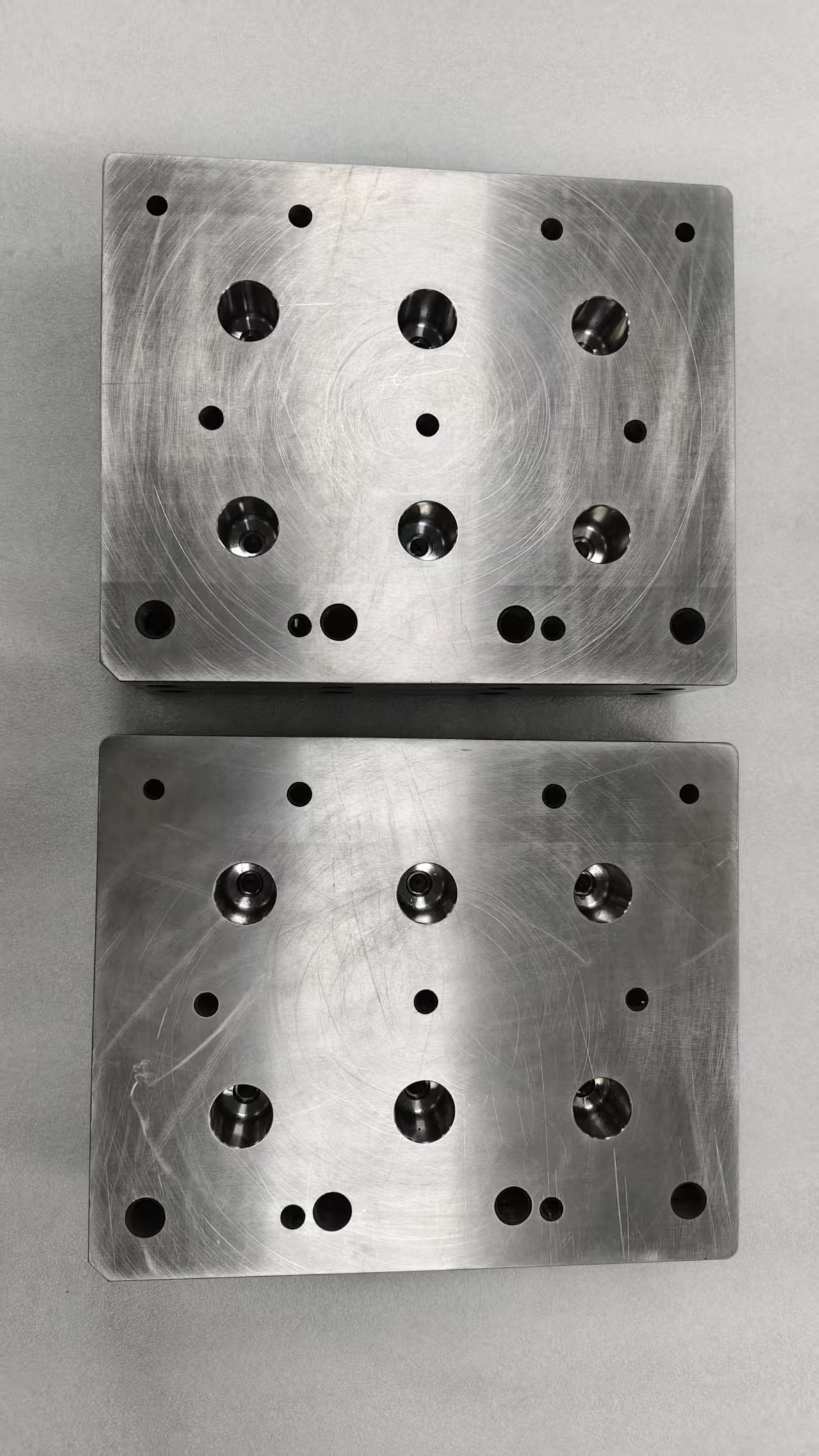
Choosing the right injection mold components suppliers can directly affect mold quality, delivery time, maintenance cost, and production stability. A mold may look simple from the outside, but it contains many precision parts that must work together accurately.
These parts include ejector pins, guide pins, bushings, lifters, slides, wear plates, springs, cooling parts, inserts, and many other components.
Therefore, buyers should not select a supplier only by price. Material quality, machining accuracy, heat treatment, delivery reliability, and engineering support are also important.
This guide explains what to check when comparing injection mold component suppliers and how to reduce sourcing risks.
What Do Injection Mold Components Suppliers Provide?
Injection mold components suppliers usually provide standard or custom parts used inside plastic injection molds.
Some suppliers focus mainly on standard parts. Others can manufacture custom components according to 2D drawings or 3D data.
Common mold components include:
| Component | Main Function |
|---|---|
| Ejector pins | Push molded parts out of the mold |
| Guide pins and bushings | Keep mold plates aligned |
| Return pins | Return the ejector system |
| Lifters | Release internal undercuts |
| Slides | Release side undercuts |
| Wear plates | Reduce wear between moving parts |
| Inserts | Form detailed or replaceable areas |
| Sprue bushings | Guide plastic melt into the mold |
| Support pillars | Support mold plates |
| Springs | Control mold movement |
| Cooling connectors | Connect cooling circuits |
| Limit switches | Confirm mold movement or position |
For complete tooling projects, the mold maker normally combines purchased standard components with custom-machined parts.
At Fentor Mold, mold design, machining, assembly, and component selection are considered together during mold development.
Why Injection Mold Component Quality Matters
A mold contains many moving and loaded components.
If one small part fails, the entire mold may stop.
For example, a poor-quality ejector pin may bend or break. A badly machined guide bushing may create alignment problems. In addition, an inaccurate slide component may cause flash or damage the molded part.
Therefore, component quality affects much more than the price of the individual part.
It can influence:
- Mold life
- Part quality
- Machine downtime
- Maintenance frequency
- Cycle stability
- Mold safety
- Repair cost
- Production efficiency
As a result, buyers should evaluate the total risk instead of comparing component prices alone.
Injection Mold Components Suppliers and Material Quality
Material selection is one of the first things to check.
Different mold components need different properties.
Some parts need hardness and wear resistance. Others need toughness or corrosion resistance.
Common materials may include:
| Material | Typical Application |
|---|---|
| S50C / 1.1730 | Mold plates and basic structural parts |
| P20 / 1.2311 | General mold inserts and plates |
| 1.2312 | Pre-hardened mold components |
| H13 / 1.2344 | High-stress or high-temperature parts |
| 1.2343 | Inserts and tooling components |
| 420 / 1.2083 | Corrosion-resistant mold areas |
| SKD61 | Lifters, inserts, and wear parts |
| SKH51 | Ejector pins and high-wear parts |
However, material name alone is not enough.
The supplier should also control material certification, hardness, heat treatment, and final inspection.
For example, two components labeled H13 may perform very differently if the heat treatment process is poor.
Check Machining Accuracy
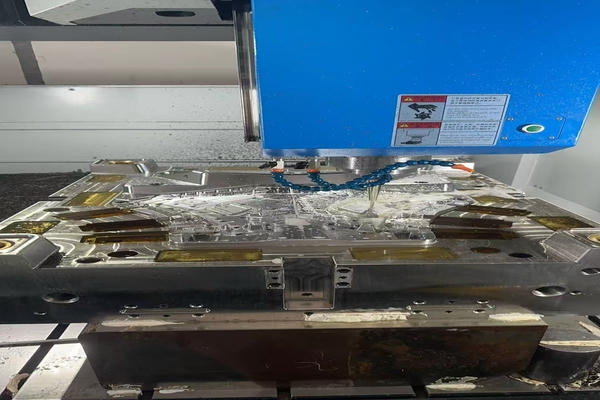
Precision is another major factor when comparing injection mold components suppliers.
Injection molds often use tight fits between moving components.
Therefore, poor machining can create problems such as:
- Excessive clearance
- Tight movement
- Uneven wear
- Flash
- Poor mold alignment
- Component seizure
- Oil leakage
- Short component life
Critical parts may require CNC machining, grinding, EDM, wire cutting, or jig grinding.
For custom mold components, drawing tolerances should clearly define important dimensions.
If your project requires custom precision parts, our components manufacturing service supports CNC, EDM, wire cutting, grinding, and other machining processes for mold and industrial components.
Standard Components vs Custom Components
Not every mold component needs custom machining.
Standard components can reduce both cost and lead time.
For example, buyers can often use standard:
- Ejector pins
- Springs
- Guide pins
- Guide bushings
- Sprue bushings
- Support pillars
- Locating rings
- Cooling connectors
However, custom components may be necessary for special mold structures.
These can include:
- Custom lifters
- Large slides
- Special inserts
- Custom locking blocks
- Cam systems
- Special wear plates
- Complex core pins
Therefore, a good supplier should know when a standard part is enough and when custom machining is necessary.
Using custom parts everywhere increases cost. On the other hand, forcing standard components into the wrong application can create reliability problems.
Injection Mold Components Suppliers Should Control Heat Treatment
Heat treatment has a major effect on component performance.
For example, lifters and slide parts often face repeated friction and mechanical load.
If the hardness is too low, they may wear quickly.
However, if hardness becomes too high without enough toughness, the part may crack.
Therefore, suppliers need to control:
- Material grade
- Heat treatment method
- Final hardness
- Distortion after heat treatment
- Surface treatment when required
After heat treatment, critical parts may need additional grinding or fitting.
This is especially important for components that require both hardness and tight dimensional accuracy.
Surface Treatment Is Also Important
Some mold components need special surface treatments.
Common treatments include:
- Nitriding
- Black oxide
- Hard chrome plating
- DLC coating
- TiN coating
- Polishing
These treatments can improve wear resistance, corrosion resistance, or sliding performance.
However, the correct treatment depends on the component function.
For example, a lifter that moves thousands of times may benefit from improved surface wear resistance.
In contrast, a polished cavity insert may require a completely different surface treatment strategy.
Check Supplier Inspection Capability
Reliable injection mold components suppliers should have clear inspection procedures.
The supplier does not need complicated inspection for every simple part. However, critical dimensions should always be checked.
Typical inspection tools include:
- Calipers
- Micrometers
- Height gauges
- Pin gauges
- Hardness testers
- CMM
- Optical measuring equipment
For custom parts, the supplier should inspect dimensions according to the drawing.
In addition, critical components should include material and hardness records when necessary.
This helps reduce problems during final mold assembly.
Delivery Time Is More Important Than It Looks
A small mold component can delay an entire mold project.
For example, imagine that machining and mold assembly are almost complete. However, one special lifter arrives five days late.
The complete mold may also become five days late.
Therefore, lead time reliability matters.
When evaluating suppliers, buyers should ask:
- Are standard components stocked?
- What is the lead time for custom parts?
- Can the supplier handle urgent orders?
- How quickly can replacement parts be made?
- Does the supplier control machining internally?
- Are heat treatment processes outsourced?
The more outside processes a component requires, the greater the risk of schedule variation.
Injection Mold Components Suppliers and Replacement Parts
Replacement support becomes important after the mold enters production.
Wear parts may need replacement after long use.
Therefore, buyers should consider whether the supplier can reproduce a component later.
Good practice includes saving:
- 2D drawings
- 3D files
- Material specifications
- Hardness requirements
- Surface treatment information
- Inspection records
For production molds, interchangeable spare parts can reduce downtime.
This is especially useful for ejector pins, lifters, core pins, inserts, and other high-wear components.
Do Not Choose Only by Price
Low prices can be attractive, especially when buyers purchase many components.
However, the cheapest component can become expensive if it causes mold damage.
Consider this simple example:
| Option | Component Price | Potential Risk |
|---|---|---|
| Supplier A | Lowest | Unknown material and limited inspection |
| Supplier B | Medium | Certified material and stable machining |
| Supplier C | Highest | High-end brand and full traceability |
The lowest-cost option is not always wrong.
However, the buyer should understand what creates the price difference.
If the part is simple and non-critical, a lower-cost supplier may work well.
For critical moving parts, reliability usually matters more.
Engineering Support Can Save Time
Strong injection mold component suppliers do more than machine drawings.
They can also identify possible problems before production.
For example, they may recommend:
- Increasing a weak section
- Changing material
- Adjusting hardness
- Adding lubrication grooves
- Improving clearance
- Changing a wear surface
- Making a component replaceable
These small changes can improve mold life.
For complete mold projects, our custom injection mold manufacturing process includes DFM review, mold design, component machining, assembly, trials, and final validation.
Check Moving Components Carefully
Moving mold components often create more risk than static parts.
Examples include:
- Slides
- Lifters
- Ejector systems
- Cam blocks
- Return systems
- Locking systems
These parts must move smoothly and stop in the correct position.
For example, a mold limit switch can help confirm whether a moving mechanism has returned correctly. If this system fails, mold damage may occur.
You can also read our guide about injection mold limit switch failure to understand how small mold components can affect mold safety.
Questions to Ask Injection Mold Components Suppliers
Before placing an order, buyers can ask several simple questions.
| Question | Why It Matters |
|---|---|
| What material will you use? | Confirms material suitability |
| Can you provide material certificates? | Helps verify material |
| What hardness will the part reach? | Important for wear components |
| Which dimensions will you inspect? | Confirms quality control |
| Can you make custom components? | Important for special mold designs |
| What is the lead time? | Helps control project schedule |
| Can you make replacement parts later? | Important for mold maintenance |
| What machining processes are available? | Shows manufacturing capability |
| Can you provide an inspection report? | Useful for critical components |
These questions help buyers compare suppliers more clearly.
Local Supplier or Overseas Supplier?
Both options can work.
Local suppliers may offer faster communication and easier emergency support.
However, overseas suppliers may provide lower machining costs or stronger tooling experience.
The right choice depends on:
- Component complexity
- Quantity
- Required lead time
- Tolerance
- Material
- Shipping cost
- Quality requirements
For custom tooling projects, many buyers use a combination of standard component brands and custom machining suppliers.
This approach can balance cost and reliability.
Final Thoughts
Choosing the right injection mold components suppliers requires more than comparing quotations.
Buyers should check material quality, machining accuracy, heat treatment, inspection capability, delivery reliability, and replacement support.
Standard parts can help reduce cost and lead time. However, custom components may be necessary for complex mold structures.
Most importantly, component quality should match the actual function of the mold.
A simple non-critical part may not need premium material. In contrast, a high-load lifter, slide, core pin, or precision insert may require better steel, tighter tolerances, and stronger quality control.
By evaluating these factors before ordering, buyers can reduce mold maintenance, avoid unexpected downtime, and improve long-term production stability.