Key Takeaways
- Injection Mold Ejector Pins are critical components that directly affect plastic part release, mold reliability, and production efficiency.
- The right ejector pin selection depends on material, hardness, diameter, tolerance, and application requirements.
- High-quality ejector pins require precision machining, heat treatment, and strict inspection.
- Poor ejector pin selection can cause breakage, wear, part damage, and unexpected production downtime.
- Choosing an experienced mold component supplier helps reduce maintenance costs and improve mold performance.
Introduction
Injection Mold Ejector Pins are precision mold components used to remove molded plastic parts from injection molds after cooling. They transfer the force from the ejector plate to the molded part, allowing smooth and reliable part release.
For mold manufacturers and purchasing engineers, selecting the correct ejector pin is more than choosing a standard component. The material, hardness, tolerance, surface finish, and supplier manufacturing capability all influence mold performance.
In actual mold production, many ejection problems are not caused by the injection molding process itself. Instead, they often result from incorrect ejector pin selection, insufficient hardness, poor alignment, or inaccurate machining.
A reliable supplier should provide not only ejector pins but also technical support, material recommendations, and consistent quality control.
Fentormold provides professional Injection Mold Manufacturing services, including precision mold components, custom tooling parts, and manufacturing solutions for overseas customers.
Link:
https://www.fentormold.com/
[Image 1 Here – Hero Image]
Image topic:
Precision injection mold ejector pins and mold components
Why Are Injection Mold Ejector Pins Important for Mold Performance?
Injection Mold Ejector Pins play an essential role in the final stage of injection molding. After the plastic part cools inside the mold cavity, the ejector system pushes the product out without causing deformation or surface damage.
A properly selected ejector pin helps achieve:
- Stable part ejection
- Reduced production defects
- Longer mold service life
- Lower maintenance requirements
- Improved production efficiency
Without a reliable ejection system, even a well-designed mold may experience problems such as:
- Sticking parts
- Ejector marks
- Broken pins
- Mold downtime
For high-volume production molds, ejector pins may operate hundreds of thousands or even millions of cycles. Therefore, durability and precision are critical.
Common Injection Mold Ejector Pin Types and Applications
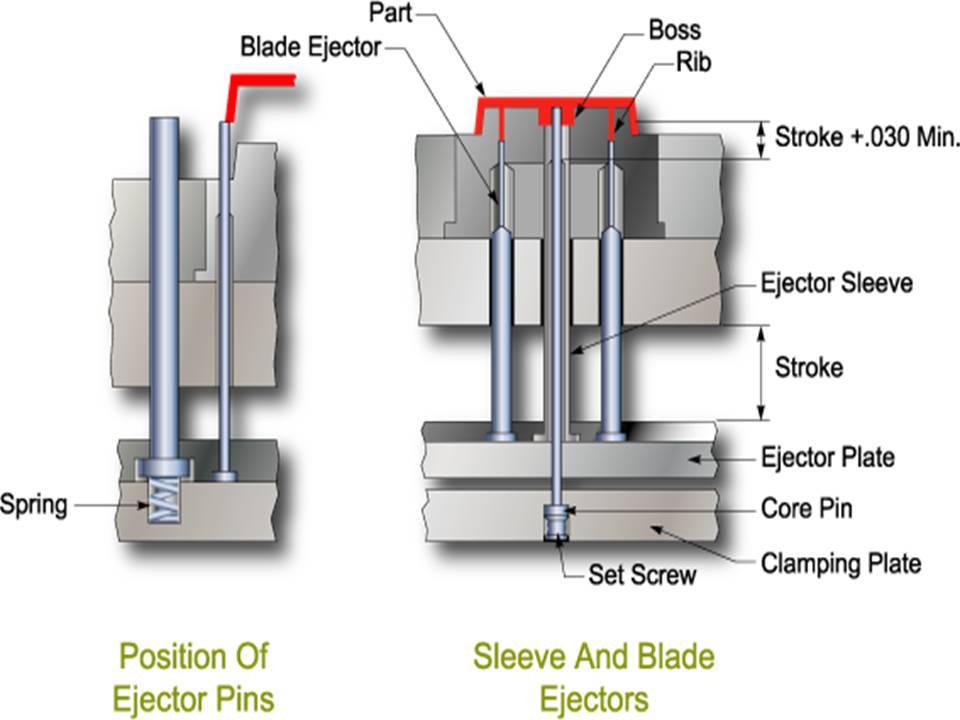
Different products require different ejector pin designs. The correct choice depends on part structure, ejection force, available mold space, and production conditions.
| Ejector Pin Type | Main Features | Common Applications |
|---|---|---|
| Straight Ejector Pin | Standard design, easy replacement | General plastic parts |
| Shoulder Ejector Pin | Stronger support area | High-load applications |
| Blade Ejector Pin | Thin and narrow structure | Ribs and small features |
| Flat Ejector Pin | Large contact surface | Large molded parts |
| Custom Ejector Pin | Special dimensions and shapes | Complex injection molds |
Straight Ejector Pins
Straight ejector pins are the most commonly used type in injection molding.
Advantages include:
- Simple structure
- Easy installation
- Lower replacement cost
- Wide availability
They are suitable for standard plastic parts where the ejection load is evenly distributed.
Shoulder Ejector Pins
Shoulder ejector pins have a larger diameter section that improves support strength.
They are commonly used when:
- Higher ejection force is required
- Longer pin length is needed
- Mold operation involves higher stress
Blade Ejector Pins
Blade ejector pins are designed for narrow spaces where standard round pins cannot be installed.
Typical applications include:
- Thin ribs
- Deep grooves
- Small plastic features
How Material Selection Affects Injection Mold Ejector Pins Performance
Material selection directly affects ejector pin durability, wear resistance, and service life.
Because ejector pins experience repeated friction and mechanical stress, they require:
- High hardness
- Good toughness
- Wear resistance
- Dimensional stability
Using low-quality materials may reduce initial cost, but it can lead to frequent replacement and production interruptions.
Common Ejector Pin Materials
| Material | Advantages | Suitable Applications |
|---|---|---|
| SKD61 | High toughness and wear resistance | High-cycle injection molds |
| H13 Steel | Good strength and heat resistance | High-temperature applications |
| S136 Stainless Steel | Corrosion resistance and polishing ability | Medical and high-gloss molds |
| M2 Tool Steel | High hardness and wear resistance | Special high-wear applications |
For example, molds producing glass-filled plastic parts require better wear resistance because glass fibers can accelerate component wear.
A professional Injection Mold Ejector Pins supplier should evaluate:
- Plastic material
- Production volume
- Mold life requirements
- Operating conditions
before recommending the right steel grade.
How Quality Suppliers Manufacture Injection Mold Ejector Pins
Manufacturing high-performance Injection Mold Ejector Pins requires precision machining and strict process control. Although ejector pins are relatively small components, their dimensional accuracy directly affects mold assembly and production stability.
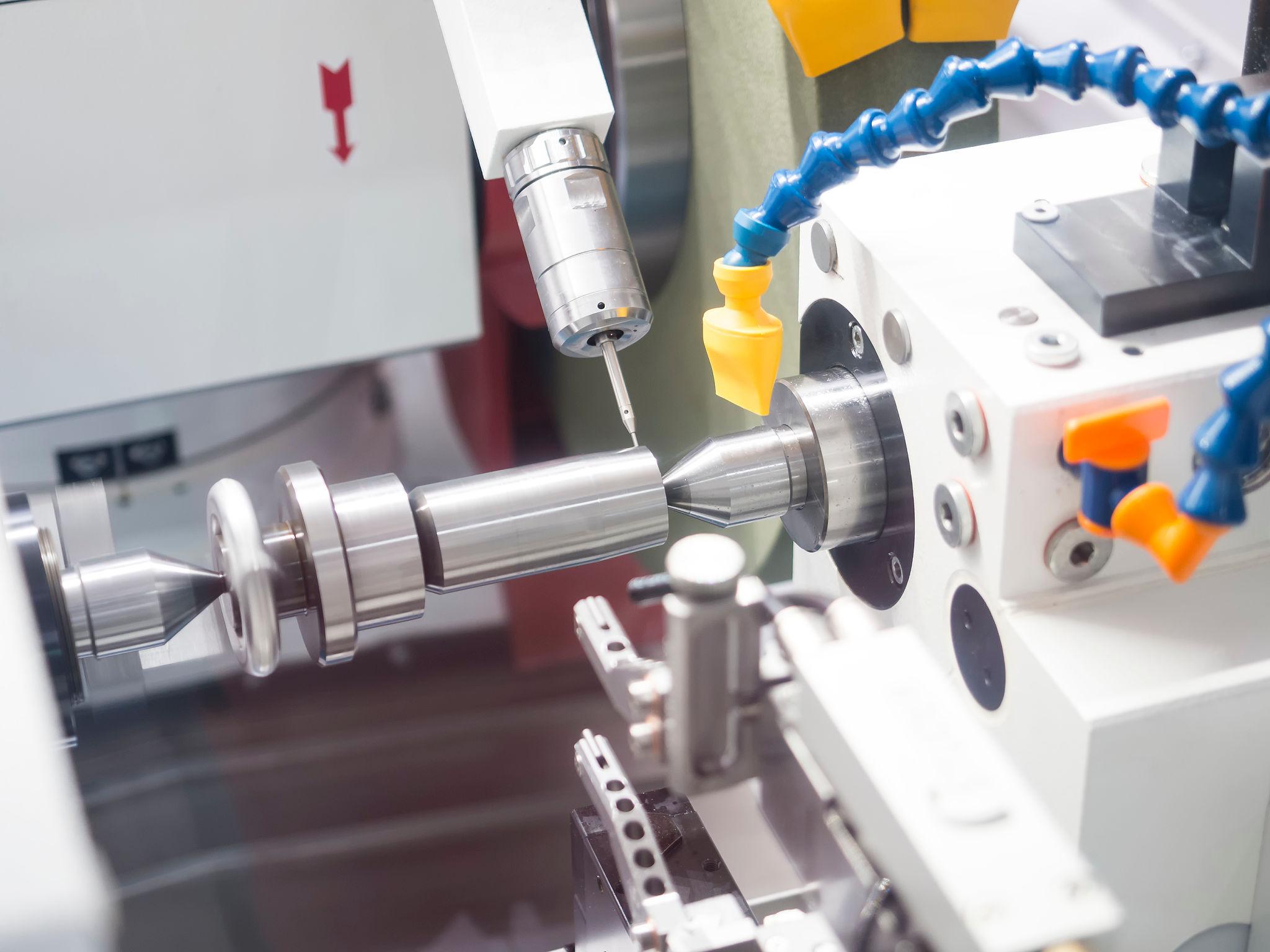
A professional supplier should control the complete manufacturing process, including:
- Material inspection
- CNC machining
- Centerless grinding
- Heat treatment
- Surface finishing
- Final quality inspection
Precision Machining
The first step in ejector pin manufacturing is accurate machining.
Important requirements include:
- Correct diameter tolerance
- Straightness control
- Accurate length dimensions
- Smooth surface finish
For precision mold components, even a small dimensional deviation can create problems during mold operation.
Typical ejector pin tolerance requirements may reach:
- Diameter tolerance: around ±0.005 mm depending on application
- Surface finish: controlled to reduce friction and wear
Heat Treatment
Heat treatment improves hardness and wear resistance.
However, improper heat treatment may cause:
- Bending
- Cracking
- Dimensional changes
- Reduced service life
Experienced suppliers carefully control temperature and cooling processes to maintain component accuracy.
Surface Treatment
Surface treatment can further improve ejector pin performance.
Common options include:
- Nitriding treatment
- Hard coating
- Polishing
These treatments help reduce friction and improve resistance against repeated sliding movement.
Quality Inspection
Before shipment, reliable suppliers should inspect:
| Inspection Item | Purpose |
|---|---|
| Dimension Measurement | Confirm assembly accuracy |
| Hardness Testing | Verify material performance |
| Surface Inspection | Avoid scratches and defects |
| Straightness Check | Prevent movement problems |
In actual mold production, many ejector pin failures happen because suppliers focus only on machining dimensions but ignore material quality and heat treatment control.
A complete manufacturing process is essential for stable mold operation.
Injection Mold Ejector Pins Cost Factors
The cost of custom Injection Mold Ejector Pins depends on several technical factors.
Many buyers compare only the unit price, but the cheapest option may create higher costs later through:
- Frequent replacement
- Mold maintenance
- Production downtime
A professional supplier evaluates the complete application before recommending a solution.
Main Factors Affecting Ejector Pin Cost
| Cost Factor | Impact on Price |
|---|---|
| Material Grade | Premium tool steel increases material cost |
| Diameter and Length | Larger dimensions require more processing |
| Tolerance Requirements | Higher precision requires additional machining |
| Surface Treatment | Special treatments improve durability but increase cost |
| Quantity | Bulk orders reduce average unit cost |
How to Control Ejector Pin Costs
Choose the Correct Material
Not every application requires the highest-grade steel.
Selecting the right material based on:
- Mold life requirement
- Plastic resin
- Production volume
can optimize cost without reducing performance.
Provide Accurate Drawings
Complete technical information helps suppliers avoid unnecessary engineering adjustments.
Important details include:
- Diameter
- Length
- Head style
- Material requirement
- Surface treatment
Work With an Experienced Supplier
An experienced supplier can identify potential issues before manufacturing.
This reduces:
- Trial-and-error costs
- Production delays
- Component replacement frequency
Common Injection Mold Ejector Pin Problems and Solutions
Even high-quality ejector pins may fail if they are incorrectly selected or installed.
Ejector Pin Breakage
Common Causes:
- Excessive ejection force
- Incorrect diameter selection
- Poor material quality
- Misalignment
Solutions:
- Select suitable pin diameter
- Use stronger steel grades
- Check mold alignment
- Improve support structure
Ejector Pin Wear
Common Causes:
- High production cycles
- Abrasive plastic materials
- Insufficient hardness
- Poor lubrication
Solutions:
- Choose wear-resistant materials
- Improve surface treatment
- Maintain proper lubrication
Ejector Pin Bending
Common Causes:
- Excessive length-to-diameter ratio
- Uneven ejection force
- Poor mold design
Solutions:
- Increase pin diameter
- Reduce unsupported length
- Improve ejection balance
Ejector Marks on Plastic Parts
Visible marks may appear when:
- Ejection force is too high
- Pin position is incorrect
- Cooling is insufficient
Proper ejector layout and process optimization help prevent cosmetic defects.
Injection Mold Ejector Pins Compared With Other Mold Components
Ejector pins are only one part of a complete injection mold ejection and guiding system.
Understanding the differences between mold components helps engineers select the right solution.
| Component | Main Function | Application |
|---|---|---|
| Ejector Pin | Pushes molded parts out | Standard ejection |
| Lifter | Releases internal undercuts | Complex structures |
| Slider | Creates side movement | Side holes and features |
| Insert | Replaceable molding area | Easy maintenance |
For complex molds, ejector pins are often used together with other precision components.
Similarly, Injection Mold Sliders are used for side core movement when molded parts contain side holes, undercuts, or complex features that require horizontal release.
For products with internal undercuts, Injection Mold Lifters can provide angled ejection movement when standard ejector pins cannot release the part properly.
For example, Injection Mold Lifters are commonly used when parts contain internal undercuts that cannot be released by standard ejector pins.
How to Choose a Reliable Injection Mold Ejector Pin Supplier
Choosing the right Injection Mold Ejector Pins supplier is not only about comparing prices. For overseas buyers, supplier capability, manufacturing experience, and quality control are equally important.
A reliable supplier should understand how ejector pins work inside injection molds and provide solutions based on actual production requirements.
Before placing an order, buyers should evaluate the following factors.
Manufacturing Capability
A professional ejector pin supplier should have the ability to control the complete manufacturing process.
Important capabilities include:
- Precision machining
- Grinding technology
- Heat treatment control
- Surface finishing
- Quality inspection
Suppliers with complete manufacturing capability can provide more consistent quality compared with companies that only perform simple machining or trading.
Material Control
Material quality directly affects ejector pin performance.
A reliable supplier should provide:
- Correct steel grade
- Material traceability
- Hardness inspection
- Stable heat treatment results
For high-volume molds, using the wrong material can lead to early wear and unexpected production interruptions.
Tolerance and Quality Control
Precision is one of the most important requirements for mold components.
Before shipment, suppliers should verify:
- Diameter accuracy
- Length tolerance
- Surface condition
- Straightness
- Hardness
For international customers, strict inspection before shipment helps avoid additional shipping costs and production delays.
Engineering Support
A strong supplier should provide more than manufacturing.
Technical support can include:
- Material recommendations
- Drawing review
- Manufacturing suggestions
- Tolerance confirmation
For customers requiring multiple precision tooling parts, Fentormold also provides Injection Mold Components Manufacturing services, including custom ejector pins, lifters, sliders, inserts, and other mold components
Before mold component production, DFM review and engineering communication can help identify potential issues early.
For customers looking for complete mold component solutions, Fentormold provides Injection Mold Components Manufacturing services, including custom ejector pins, lifters, sliders, inserts, and other precision tooling parts.
Applications of Injection Mold Ejector Pins
Injection Mold Ejector Pins are widely used across different industries because almost every injection molded product requires a reliable ejection system.
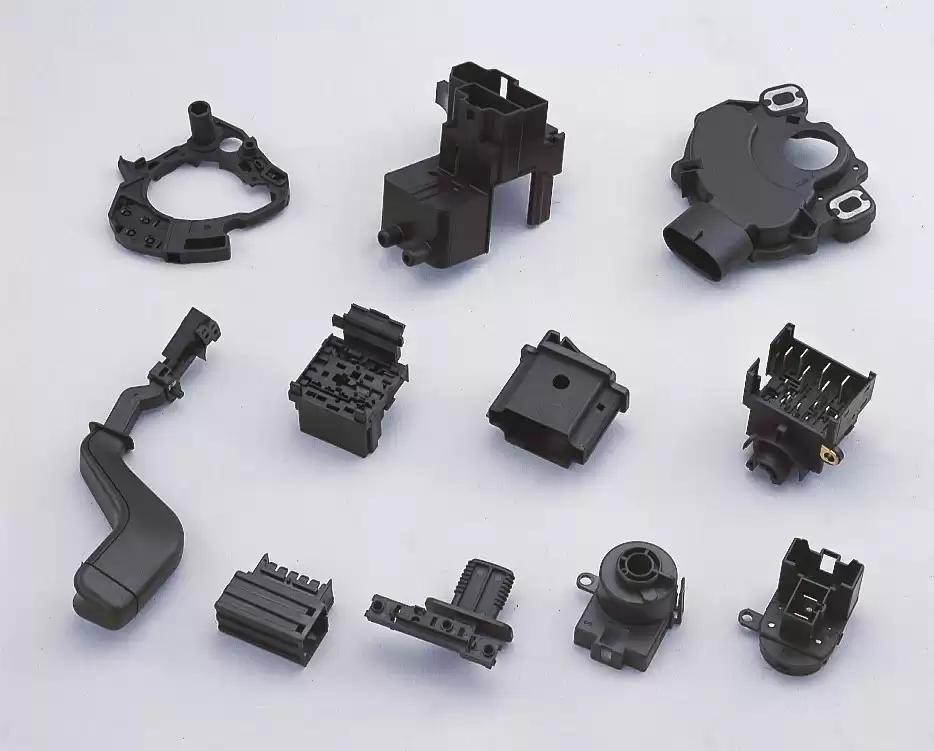
Common applications include:
| Industry | Typical Products |
|---|---|
| Automotive | Interior parts, housings, clips |
| Electronics | Plastic covers, connectors, enclosures |
| Medical | Precision plastic components |
| Consumer Products | Daily-use plastic products |
| Industrial Equipment | Functional plastic parts |
Automotive Applications
Automotive plastic parts often require:
- High production volume
- Long mold life
- Stable ejection performance
Because automotive molds may operate for millions of cycles, durable ejector pins are essential.
Electronics Applications
Electronic components usually require:
- High dimensional accuracy
- Good surface appearance
- Reliable part release
Precision ejector pins help avoid surface defects and maintain consistent production quality.
[Image 4 Here – Application Image]
Image topic:
Automotive and electronic plastic parts produced with injection molding ejector systems
Frequently Asked Questions About Injection Mold Ejector Pins
1. What are Injection Mold Ejector Pins used for?
Injection Mold Ejector Pins are used to push plastic parts out of injection molds after cooling. They transfer the ejection force from the mold ejector system to the molded part.
2. What materials are commonly used for ejector pins?
Common materials include SKD61, H13 steel, S136 stainless steel, and other hardened tool steels. The best material depends on mold life requirements, plastic resin, and production conditions.
3. How long do injection mold ejector pins last?
The service life depends on material quality, hardness, lubrication, mold design, and production volume. High-quality ejector pins can support hundreds of thousands or millions of molding cycles when properly maintained.
4. How much do custom ejector pins cost?
Custom ejector pin costs depend on material, size, tolerance, surface treatment, and order quantity. Precision grinding and special materials may increase the total cost.
5. How do I choose a reliable ejector pin supplier?
A reliable supplier should have precision manufacturing capability, strict quality control, material knowledge, and experience producing injection mold components.
Conclusion: Choose the Right Ejector Pin Supplier for Better Mold Performance
Injection Mold Ejector Pins may be small components, but they have a major impact on mold reliability, production efficiency, and maintenance costs.
The right selection depends on several factors, including:
- Material grade
- Pin design
- Manufacturing accuracy
- Surface treatment
- Supplier experience
Choosing a professional mold component supplier helps reduce production risks and improves long-term mold performance.
Need custom Injection Mold Ejector Pins for your tooling projects? Fentormold provides precision machining, material recommendations, and engineering support for customers requiring reliable mold components.