Injection mold transfer cost is often underestimated because buyers first think about freight. In reality, changing suppliers may also involve mold inspection, repair, packing, transport, machine adaptation, mold trials, sample approval, and production restart.
The total cost depends heavily on the condition of the existing mold and how easily it can run at the new supplier.
A mold that is complete, well documented, and in good condition may transfer with limited extra work. However, an older mold with missing drawings, worn components, unclear process settings, or non-standard connections can create much higher costs.
Before changing suppliers, buyers should understand the full transfer cost rather than comparing freight alone.
Injection Mold Transfer Cost Starts Before the Mold Moves
The first cost may appear before transportation begins.
Before accepting an existing mold, the new supplier should understand:
- Mold size and weight
- Mold condition
- Product material
- Number of cavities
- Hot runner system
- Cooling connections
- Hydraulic requirements
- Electrical requirements
- Mold standard
- Previous production history
- Known mold problems
If possible, the supplier should also review photos, drawings, trial reports, and current molded samples.
This early review helps identify whether the mold can move directly into production or will need additional work.
For buyers already planning a supplier change, our guide on injection mold transfer explains the main technical and project risks before moving tooling.
Mold Inspection Can Add to Injection Mold Transfer Cost
Once the mold arrives, the new supplier should not immediately put it into production.
A receiving inspection is usually needed first.
The inspection may cover:
- Parting line condition
- Core and cavity damage
- Rust
- Welding history
- Slider movement
- Lifter movement
- Ejector system
- Guide pins and bushings
- Cooling circuits
- Hydraulic cylinders
- Hot runner wiring
- Water leakage
- Loose components
- Mold base condition
For a simple mold in good condition, this inspection may be quick.
However, a complex or heavily used mold may require disassembly and detailed checking.
That adds labor cost, but skipping inspection can create much larger problems later.
Mold Repair Is Often the Biggest Hidden Cost
The most unpredictable part of injection mold transfer cost is often repair.
A mold may have been running at the previous supplier with known problems that were never fully corrected.
Common issues include:
- Flash
- Worn sliders
- Broken ejector pins
- Damaged inserts
- Cooling leakage
- Blocked water lines
- Poor venting
- Cracked steel
- Burn marks
- Loose components
- Hot runner problems
In some cases, the mold can still produce parts, but quality may no longer be stable.
The new supplier may therefore recommend repairs before starting regular production.
This can include:
- Welding
- CNC rework
- EDM
- Grinding
- Replacing inserts
- Replacing ejector components
- Repairing cooling
- Adjusting mold fitting
If you are unsure whether an old tool should be repaired, our article on injection mold repair by another supplier explains what buyers should check before approving repair work.
Packing and Freight Are Only Part of the Cost
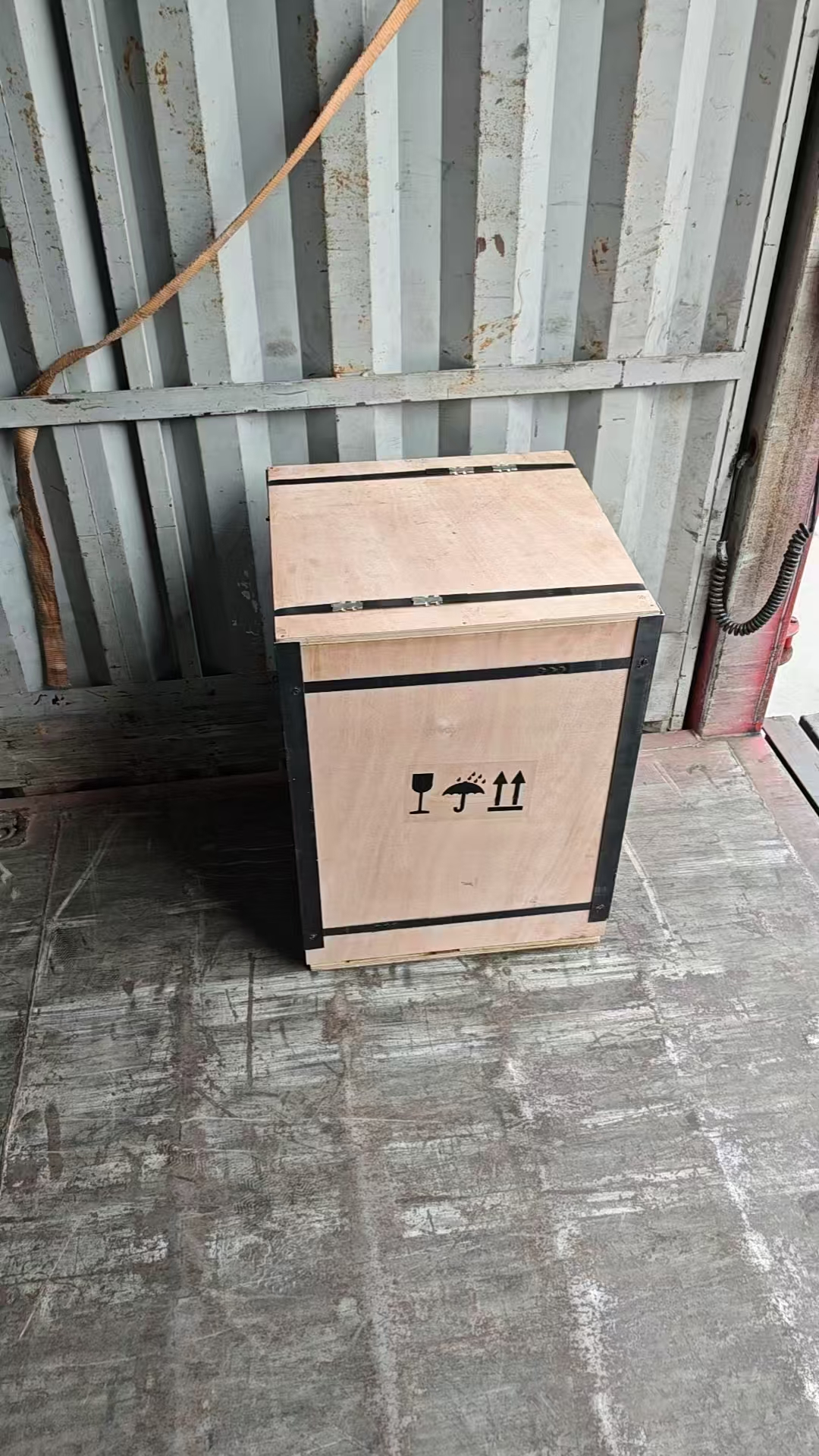
Transportation is the most obvious transfer expense, but it is only one part.
Depending on mold size and destination, costs may include:
- Mold cleaning
- Rust prevention
- Protective oil
- Crating
- Steel frame packaging
- Local pickup
- Trucking
- Sea freight
- Air freight
- Customs clearance
- Import duties
- Insurance
- Delivery to the new factory
A small mold moving within the same country may be relatively simple.
A large export mold moving internationally can cost much more.
Therefore, buyers should ask whether the freight quotation includes:
pickup + export packing + shipping + customs + final delivery
Otherwise, the first quotation may not reflect the final transport cost.
Machine Compatibility Can Increase Injection Mold Transfer Cost
A mold that runs well at the old supplier may not fit the new supplier’s machine without adjustment.
This is a common transfer issue.
The new factory should check:
- Tie-bar spacing
- Platen size
- Mold thickness
- Clamp tonnage
- Shot capacity
- Locating ring
- Nozzle radius
- Ejector pattern
- Hydraulic connections
- Water connections
- Electrical plugs
- Hot runner controller compatibility
If these details do not match, modifications may be required.
For example:
- Change locating ring
- Replace water fittings
- Change electrical connectors
- Modify hydraulic connections
- Adapt the ejector arrangement
- Prepare a different hot runner controller
Individually, these costs may be small. However, they can add up.
More importantly, they can delay the first mold trial.
Missing Mold Documentation Can Become Expensive
Good documentation reduces injection mold transfer cost.
If the new supplier receives complete tooling information, engineers can understand the mold much faster.
Useful files include:
- Mold 3D data
- Mold 2D drawings
- Product drawings
- Steel specifications
- Hot runner drawings
- Cooling layout
- Hydraulic diagram
- Electrical diagram
- Mold trial reports
- Modification history
- Approved samples
- Process parameters
Without these records, the new supplier may need to reverse-engineer parts of the mold.
That takes time.
In addition, the risk of misunderstanding the mold structure increases.
Our guide on injection mold documentation explains which files buyers should retain before tooling leaves the original supplier.
A New Supplier Will Usually Need a Mold Trial
Even if the mold produced acceptable parts at the previous factory, the new supplier should normally run another mold trial.
Why?
Because the new machine may have different:
- Injection performance
- Clamp behavior
- Screw size
- Pressure response
- Temperature control
- Cooling conditions
- Drying equipment
Therefore, the previous molding parameters may only be a starting point.
The new supplier needs to establish a stable process on its own equipment.
The trial may include:
- Mold setup
- Process adjustment
- First samples
- Dimensional inspection
- Appearance review
- Functional testing
- Further mold adjustment
This work should be included when estimating the total transfer budget.
Sample Reapproval May Be Necessary
After a supplier change, buyers should not assume that the first acceptable-looking parts are ready for production.
Transferred molds may need new sample approval.
Depending on the project, buyers may need to reconfirm:
- Critical dimensions
- Appearance
- Color
- Assembly
- Function
- Material
- Warpage
- Cavity consistency
This is especially important for tight-tolerance parts, appearance parts, and multi-cavity molds.
The new supplier should be able to compare the new samples with:
- Approved drawings
- Previous golden samples
- Existing inspection reports
If no approved reference exists, the transfer becomes more difficult because both sides may disagree about what is acceptable.
Production Restart Can Create Additional Cost
The first successful mold trial does not always mean production can immediately restart at full volume.
The new supplier may still need to prepare:
- Production fixtures
- Gauges
- Packaging
- Work instructions
- Inspection standards
- Material stock
- Labels
- Assembly processes
- Secondary operations
If the previous supplier handled painting, printing, assembly, ultrasonic welding, packaging, or other secondary work, those processes may also need to be transferred.
Therefore, buyers should consider the whole production system, not only the mold.
Injection Mold Transfer Cost Can Rise When the Mold Is Non-Standard
Non-standard tooling can make transfer more difficult.
Examples include:
- Special mold base
- Unusual hot runner components
- Custom hydraulic fittings
- Non-standard electrical plugs
- Difficult-to-source inserts
- Unusual mold steel
- Proprietary components
If the new supplier cannot easily buy replacement parts, they may recommend changing some components.
That adds cost upfront but may reduce maintenance risk later.
For long-term production, standardizing commonly replaced components can be worthwhile.
Supplier Change Cost Is More Than Mold Transfer Cost
Changing suppliers also creates project-management costs.
The new supplier needs time to understand:
- Product requirements
- Quality standards
- Previous mold problems
- Production history
- Packaging standards
- Delivery schedule
Meanwhile, the buyer may need to coordinate communication between the old and new suppliers.
There may also be temporary costs related to:
- Safety stock
- Expedited shipping
- Production overlap
- Extra samples
- Additional inspections
These costs are easy to ignore because they do not appear on the mold freight invoice.
However, they are still part of the real cost of a supplier change.
When Is Injection Mold Transfer Cost Relatively Low?
Transfer cost is usually easier to control when:
- Mold condition is good
- Mold ownership is clear
- Tooling documentation is complete
- Approved samples are available
- Process parameters are recorded
- Mold components are standard
- The new supplier has compatible machines
- No major repairs are required
In this situation, the main expenses may only be:
inspection + transport + trial + sample approval
That is the ideal transfer scenario.
When Can Injection Mold Transfer Cost Become High?
Costs rise when several problems appear together.
For example:
- Mold is heavily worn
- Drawings are missing
- Hot runner system is old
- Cooling channels are blocked
- Mold connections do not match
- Previous samples are unavailable
- Major dimensional corrections are needed
- Production must restart urgently
At that point, buyers may need to compare two options:
repair and transfer the existing mold
or
build a new mold
The cheaper option is not always obvious.
If repair cost becomes too high and remaining mold life is limited, rebuilding may make more sense.
Ask for a Transfer Evaluation Before Approving the Move
Before committing to a supplier change, ask the new supplier for a practical transfer evaluation.
A useful evaluation should separate costs into categories such as:
- Mold receiving inspection
- Required repairs
- Machine adaptation
- Replacement components
- Mold trial
- Sample inspection
- Packaging setup
- Production preparation
This makes the quotation easier to understand.
It also reduces the risk of receiving a low initial transfer quote followed by many additional charges later.
At Fentormold, existing molds can be reviewed together with injection molding production requirements so that tooling condition and future production needs are considered together.
How Buyers Can Control Injection Mold Transfer Cost
Buyers cannot eliminate every transfer cost, but they can reduce uncertainty.
Before moving the mold:
- Collect all mold drawings
- Confirm mold ownership
- Obtain current samples
- Request latest process parameters
- Record existing mold problems
- Check mold maintenance history
- Confirm machine compatibility
- Ask for a receiving inspection
- Estimate likely repair costs
- Prepare enough safety stock
The earlier these points are checked, the easier it is to plan the transfer.
A rushed transfer usually costs more.
Final Thoughts
Injection mold transfer cost is much more than the price of moving a steel tool from one factory to another.
The real cost may include inspection, repair, packing, freight, machine adaptation, mold trials, sample approval, documentation recovery, and production restart.
For this reason, buyers should evaluate the condition of the mold and the requirements of the new supplier before approving the move.
A well-prepared mold transfer can be relatively straightforward.
However, when the mold is worn, poorly documented, or difficult to adapt, the cost can rise quickly.
The best way to control the budget is to understand the mold condition before it moves and ask the new supplier to separate transport, repair, trial, and restart costs clearly.